
Jewellery auctions in Scotland run regularly through long-established salerooms in Glasgow, Edinburgh, Aberdeen, Fife, Angus and the Borders — houses like McTear’s, Thomson Roddick Callan, John Milne Auctioneers and Taylors Auction Rooms. Most are combined online-and-in-room sales where gold sovereigns, Victorian brooches, Scottish agate and diamond rings come up alongside silver and general antiques, and you can bid in person, by telephone, by absentee commission or live online. For what is actually coming up, the jewellery auctions in Scotland page carries the live calendar.
Jewellery rarely gets its own dedicated Scottish sale — more often it sits near the front of a broader fine-art or antiques auction, which suits anyone who likes to buy before the room warms up. This guide covers the houses that hold these sales, the pieces that typically turn up, how bidding works north of the border, and the handful of things worth knowing before you raise a paddle for the first time.
Which auction houses hold jewellery sales in Scotland?
The trade is spread across the central belt and beyond. In Glasgow you have McTear’s, the best-known Scottish name for jewellery and watches, alongside The Great Western Auctions, Crombie’s Auctioneers and Mulberry Bank Auctions. Near Edinburgh, Thomson Roddick Callan runs frequent sales from Rosewell. In Fife, GMC Online Auctions works out of Kirkcaldy, while John Milne covers the north-east from Aberdeen and Taylors the east coast from Montrose.
Between them that is a steady stream of catalogues. You can see every active saleroom in the browse UK auction houses directory, and keep an eye on the wider picture through the UK auction market report.
What kind of jewellery sells at Scottish auctions?
The staples are gold and signed period pieces. Victorian and Edwardian brooches, mourning and sentimental jewellery, Scottish agate and silver, gold chains and lockets, diamond rings and gold coins mounted as pendants all come up regularly. Watches — both vintage mechanical and modern — are a reliable sub-category, particularly at the Glasgow houses.
Condition and hallmarks matter more than age. A clean, legible Edinburgh or Glasgow assay mark adds confidence and, often, money; worn stones and replaced clasps come off the price. Because jewellery sits inside mixed sales, you will frequently find it catalogued a few lots away from silver, coins and bronzes.
How do I bid — in person or online?
Almost every Scottish jewellery sale runs online and in person at the same time, so you have four routes:
- In the room — register for a paddle on the day, after viewing the lots in the hand.
- Live online — bid in real time through the house’s platform (many list on easyliveauction and similar sites).
- Telephone — book a line in advance for higher-value lots so staff can bid on your behalf.
- Absentee / commission — leave your maximum and let the saleroom bid up to it; you pay only what it takes to win.
For jewellery especially, view in person or request extra photographs and a condition report before leaving a bid — a camera rarely shows a hairline crack in an opal or a tired setting.
How much are the fees — what will I actually pay?
The hammer price is never the final figure. On top you pay buyer’s premium, a percentage added to every winning bid, plus VAT on that premium, and often a small online bidding surcharge if you buy through a third-party platform. Premium rates vary between houses and change over time, so always check the terms in the specific catalogue rather than assuming — as a rough guide, UK premiums commonly sit somewhere in the region of 20–30% once VAT is included. Factor in postage, insurance or collection too. The principle is the same across categories; our guide to silver auctions in the UK walks through the bidding mechanics in more detail.
Where and when are the sales held?
Dates rotate constantly, so treat the named sales below as examples of the format and always check the live calendar for current listings. Three recurring types show the pattern.
What’s in an A7 Waverley sale in Galashiels?
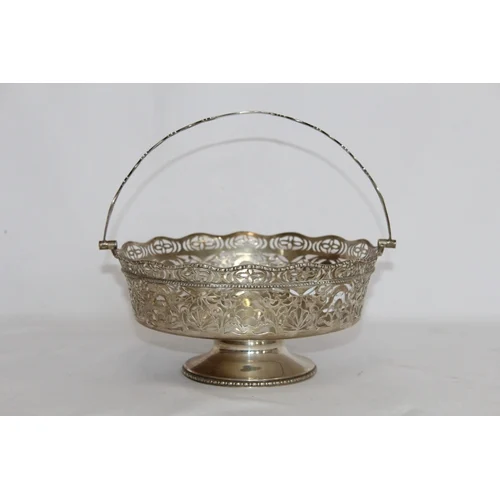
Sales like the Antique & Fine Auction with Silver, Jewellery, Gold, Pictures, Whisky, Ceramics, Glass and Furniture from A7 Waverley Auctions at Ladhope Vale House show the classic mixed format — jewellery and gold grouped with silver, whisky and pictures — run online and in person. It is a good example of the varied sales you will find across the Scottish Borders.
What comes up at Thomson Roddick Callan near Edinburgh?
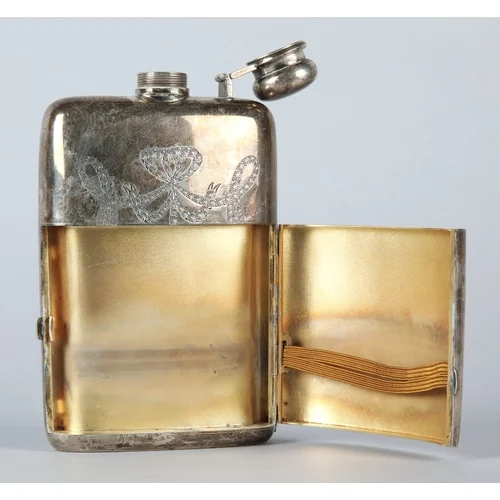
The house’s Dumfries – Antiques & Works of Art sale is a strong illustration of a Scottish fine-art auction: Georgian, Victorian and Edwardian furniture, ceramics, silver, jewellery, gold coins, bronzes and Oriental works of art, with published view days before the sale. It is held by Thomson Roddick Callan in Midlothian, online and in the room.
What’s in a Taylors sale in Montrose?
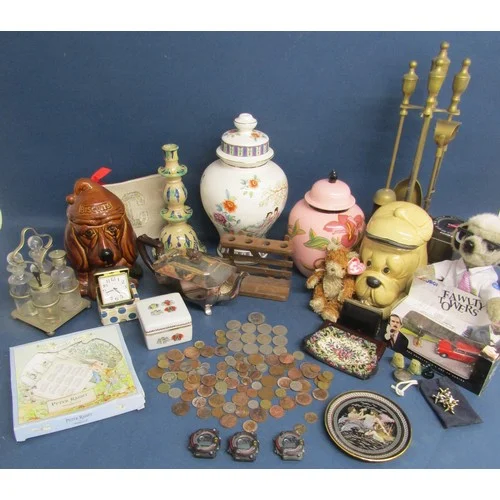
On the east coast, sales like the Auction of Vintage Tractor & Ploughs, Tools, Antiques, Collectables, Gold, Silver, Jewellery & Interiors from Taylors show how jewellery and gold appear even in broad country sales — handy if you enjoy the hunt. Taylors is one of the regular names in Angus.
Where can I find upcoming Scottish jewellery auctions?
For the full rolling diary, start at the Scotland auctions hub and the UK-wide jewellery auctions hub, then narrow to jewellery auctions in Scotland for the regional calendar. The active houses to follow are McTear’s, Thomson Roddick Callan, GMC Online Auctions, The Great Western Auctions, John Milne, Crombie’s, Taylors and Mulberry Bank. If you collect more widely, the same houses feed the furniture, ceramics and porcelain and collectables hubs for Scotland too.
What typically comes up?
Drawing on real catalogue lots, Scottish mixed sales tend to fall into a few themes worth knowing.
Gold and jewellery
This is the heart of it: a lot like a King Edward VII 1910 Gold Full Sovereign Pendant is typical — a datable, weighable gold coin in a mount, which gives you a bullion floor under its collector value. A very nice vintage brooch is the everyday workhorse of these sales: affordable, wearable and the best place for a new buyer to start learning hallmarks and settings.
Decorative glass and studio pieces
Jewellery buyers often cross into small decorative lots. Expect things like an apple-designed glass paperweight, a very nice large glass vase and a 1995 Ann Pett studio pottery fish plate — single-artist, signed studio work that is collectable precisely because it is identifiable.
Collectables and curios
The charm of a Scottish country sale is its range. Mixed lots such as a nice collectors lot including USA items, a Clarence Thorn carved stone Inuit mother and child and a 19th-century cloth-bound biography of Lieutenant General Hugh Mackay of Scoury show how niche, well-documented pieces sit beside the gold — rewarding if you read catalogues closely.
Whisky and wine often share the catalogue in Scotland, so our wine and whisky auctions buyer’s guide and the Scottish wine and whisky hub are worth a look, along with the art and paintings hub.
A checklist for your first Scottish jewellery sale
- View first. Attend the published preview day or request condition reports and extra photographs before bidding.
- Check the hallmarks. Look for a clear assay mark and understand what the gold or stone claim is based on.
- Read the terms. Confirm the buyer’s premium, VAT and any online surcharge in that specific catalogue before you bid.
- Set a ceiling. Decide your maximum including fees and stick to it — absentee bids help you stay disciplined.
- Plan collection. Know whether you are collecting in person or posting; our guide to collecting or shipping items bought at auction covers the options. For comparison, a regional walkthrough like furniture auctions in Lancashire shows the same habits applied elsewhere.
Your next step
Browse the diary on the jewellery auctions in Scotland hub, follow the houses whose stock suits you, and check back as new catalogues land. From the Auction Eagle home page you can track sales across every category and region as they are listed.
Frequently Asked Questions
Where are jewellery auctions held in Scotland?
Across the country: in Glasgow at McTear's, The Great Western Auctions, Crombie's and Mulberry Bank; near Edinburgh at Thomson Roddick Callan in Rosewell; in Kirkcaldy at GMC Online Auctions; in Aberdeen at John Milne; and in Montrose at Taylors Auction Rooms.
How do I bid at a Scottish jewellery auction?
Most sales are online and in person, so you can bid in the room, live online through the house's platform, by a booked telephone line, or by leaving an absentee (commission) bid up to your maximum.
What fees do I pay on top of the hammer price?
Buyer's premium — a percentage added to your winning bid — plus VAT on that premium, and often a small online surcharge. Rates vary by house and commonly fall around 20–30% including VAT, so check each catalogue.
What kind of jewellery sells at Scottish auctions?
Gold coins and sovereigns, Victorian and Edwardian brooches, Scottish agate and silver, diamond rings, lockets, and both vintage and modern watches, usually catalogued alongside silver and general antiques.
Can I buy jewellery online from a Scottish auction house?
Yes. Nearly every Scottish jewellery sale runs live online as well as in the room, so you can bid remotely in real time or leave an absentee bid, then arrange collection or postage afterwards.
Where can I see upcoming jewellery auctions in Scotland?
The jewellery auctions in Scotland hub on Auction Eagle lists the live calendar, and you can follow individual houses such as McTear's and Thomson Roddick Callan to catch new catalogues as they are published.


