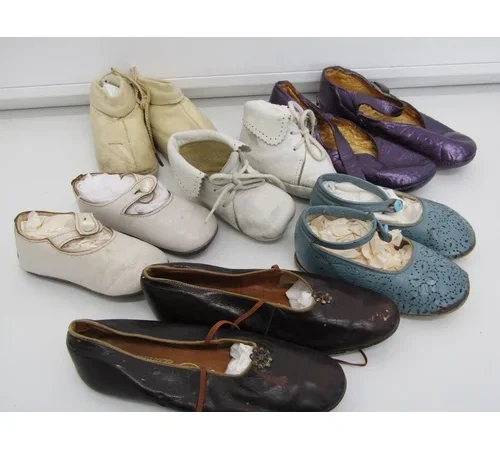
A probate auction is the sale of a deceased person’s possessions through an auction house, usually on the instruction of the executors of the estate. It runs like any other saleroom sale — lots are catalogued, viewed and sold to the highest bidder — but the goods come from a single household being wound up, because the executors need an open, documented price and a clean way to turn belongings into money the estate can share out. Buyers tend to find fresh-to-market furniture, jewellery, pictures, books and everyday collectables that have sat untouched in a home for decades.
If you have been named an executor, or you simply like buying from house clearances and estate sales, it pays to understand how these lots reach the rostrum. Here is how probate selling works in the UK, what tends to come up, and where to find sales on Auction Eagle, the UK auction-discovery site.
How does a probate sale through an auction house work?
When someone dies, their estate — the house, the savings, the contents — passes to the executors named in the will, or to administrators if there is no will. Before anything is distributed, the executors usually need to establish what the chattels are worth. Auction houses fit here naturally: they value and sell as a matter of routine, and a public auction produces an arm’s-length price nobody can later dispute.
In practice it tends to run like this:
- A valuer visits the property, or works from photographs, and produces a valuation for probate.
- The executors decide what to sell, what to keep and what to gift under the will.
- Saleable items are collected, catalogued into lots and entered into a general or specialist sale.
- The lots go under the hammer; the house then deducts its commission and pays the net proceeds to the estate.
Many estate lots are folded into a house’s regular general sales rather than sold as a standalone “probate auction”, so you won’t always see the word on the catalogue. For you as a buyer, the mechanics are identical either way.
What is a probate valuation, and why does it matter?
A probate valuation records what the contents were worth at the date of death, because that figure may feed into the estate’s Inheritance Tax position. It is a different exercise from an insurance or replacement valuation: probate uses open-market value — roughly what an item would fetch if sold — not what it would cost to replace.
Executors should know that HMRC can take an interest in high-value chattels, so for anything significant a written valuation from a qualified valuer is worth having. Auction houses often provide these, and many will offset or waive the valuation fee if the goods are later consigned to them for sale. Fees vary from house to house, so ask up front.
What sells at a probate auction?
Because the goods come straight from a home, the range is wide and often genuinely interesting — this is where fresh, unpolished material enters the market. Typical categories include:
- Furniture — from brown-furniture dining suites to mid-century and designer pieces.
- Jewellery, watches and silver — the classic probate finds, often unworn for years.
- Pictures, prints and books — a lifetime’s collecting, sometimes with real depth.
- Ceramics, glass and general collectables — the contents of cabinets and sideboards.
- Specialist collections — toys, records, militaria, tools or ephemera built up over decades.
Two examples show how estate and specialist material reaches the saleroom. Sales like the October Vintage Auction – Ring 1 Only, run by Cheffins from Clifton House in Cambridgeshire, gather printed ephemera, agricultural models, steam spares and bygones — exactly the sort of lifelong accumulation that surfaces when a property is cleared. Sales like it run online and in person, with the live catalogue published ahead of the sale.

Specialist collectors’ sales work the same way. A sale like Sports, Vinyl, Collectables & Vintage Toys from Vectis Auctions Ltd at Fleck Way, Thornaby, in North Yorkshire, is the natural home for a deceased collector’s records, sporting memorabilia and vintage toys, offered online and in the room with a full online catalogue.

How much does it cost to buy or sell at a probate auction?
On the selling side, auction houses charge the estate a seller’s commission, typically a percentage of the hammer price, plus possible charges for collection, photography, lotting or insurance. Rates vary widely, so executors should compare quotes.
On the buying side, you pay the hammer price plus a buyer’s premium — an extra percentage added to your winning bid — and in some cases VAT on that premium. Premium rates differ between houses, and online platforms add their own fees, so always check the terms before you bid. For how the tax side works, see our guide on whether you pay VAT on auction purchases.
How do I bid at a probate or estate auction?
Registering is straightforward, and the routes are the same as any UK saleroom:
- In the room — register for a paddle on viewing or sale day and bid in person.
- Online live — bid in real time through the house’s platform or an aggregator such as the-saleroom.
- Commission (absentee) bids — leave a maximum with the house and let the auctioneer bid on your behalf up to that figure.
- Telephone bids — arrange a call for higher-value lots so a clerk bids for you live.
Attend the viewing or preview if you can. Estate lots are sold as found, condition reports matter, and a sideboard that looks a bargain online may need two people and a van to collect.
Where can I find probate and estate auctions in the UK?
The quickest way is to browse by category and let the hub pages show you the live calendar. For estate contents, the furniture auctions hub and the collectables auctions hub are the natural starting points, while the jewellery auctions hub and the silver auctions hub cover the small, high-value items executors most often send to sale.
To find a saleroom near the estate, use the directory to browse every UK auction house, and for a sense of how values are moving across the trade, the UK auction market report is a useful read. Collectors buying specific categories may also like our guide to jewellery auctions in London.
A checklist for first-time probate buyers
- Read the full terms: buyer’s premium, VAT and any online surcharge.
- View in person or request a condition report — estate lots are sold as seen.
- Set a firm maximum and factor in the premium when you calculate it.
- Check collection deadlines, storage charges and whether you need transport.
- Register early; some houses ask for ID or a deposit on higher-value lots.
- If you are the executor, keep the catalogue and sale results as a record of value.
Your next step on Auction Eagle
Probate and estate sales are among the best places to buy honestly priced, fresh material — and a sensible route for executors who want a transparent price. Browse the furniture and collectables hubs to see what is coming up, and follow the houses whose sales suit you — such as Cheffins and Vectis — so the next relevant catalogue lands in front of you.
Frequently Asked Questions
What is a probate auction?
A probate auction is the sale of a deceased person's belongings through an auction house, usually arranged by the executors of the estate. The lots are catalogued, viewed and sold to the highest bidder, giving the estate a transparent open-market price it can rely on.
What is the difference between a probate valuation and an insurance valuation?
A probate valuation records open-market value at the date of death — roughly what items would fetch if sold — for the estate and any Inheritance Tax calculation. An insurance valuation records the higher cost of replacing an item, so the two figures are not the same.
Do you pay fees to buy at a probate auction?
Yes. On top of your winning hammer price you pay a buyer's premium — a percentage added by the auction house — and sometimes VAT on that premium, plus any online platform fee. Rates vary between houses, so check the terms before bidding.
How do executors sell an estate at auction?
Executors get the contents valued, decide what to sell, keep or gift, then consign the saleable items to an auction house. The house catalogues them into lots and sells them, deducting its seller's commission before paying the net proceeds to the estate.
What sells at probate and estate auctions?
Fresh-to-market household contents: furniture, jewellery, watches, silver, pictures, prints, books, ceramics and glass, plus specialist collections such as toys, records, militaria and ephemera built up over a lifetime.
Where can I find UK probate auctions?
Browse auction-discovery sites by category and region. On Auction Eagle the furniture and collectables hubs show the live calendar, and the auction-house directory lets you find a saleroom near the estate.