
A condition report is a written, usually photographic account from the auctioneer of a single lot’s physical state — the chips, hairline cracks, old repairs, restoration, wear, missing parts or a watch that won’t run. You request one before bidding because a catalogue tells you what a thing is, not how battered it might be, and at auction you buy the item as it stands. It is the closest most buyers get to handling a lot, and in online-only sales it may be the only inspection you get.
Below is what a condition report actually covers, how to request one, what “sold as seen” really means, and the specific questions worth asking so you’re not surprised when the parcel lands.
What does a condition report cover?
A good report goes past the headline description and tells you the truth about an object’s flaws — because no antique or vintage piece is ever truly perfect. Expect it to note anything that affects value or usability:
- Damage and losses — chips, hairline cracks, star crazing on ceramics, lifting veneer, woodworm, tears or foxing on works on paper.
- Repairs and restoration — riveted plates, replaced handles, re-polished silver, marriages (two periods joined into one piece), over-painting on a canvas.
- Wear consistent with age — rubbed gilding, softened hallmarks, scuffs, or a watch that runs but hasn’t been serviced.
- Completeness — missing lids, keys, box papers, or one figure absent from a set.
- Measurements and weight — gross and net weights on jewellery, dimensions on furniture, so you know it’ll fit through the door.
For technical categories the detail matters even more. On jewellery you’ll want metal fineness, stone treatments and any lab certificates; on coins and banknotes, the grade and whether a piece has been cleaned; on paintings, whether the canvas has been relined. If you’re still getting to grips with how houses arrive at their figures, our companion piece on how auction estimates work in the UK reads well alongside this one.
How do I request a condition report?
It’s straightforward and almost always free. On most catalogue platforms there’s a “request condition report” button on the individual lot page; otherwise email or phone the saleroom, quote the lot number and sale date, and ask specific questions rather than “what’s the condition?”. Do it well ahead of the sale — busy departments can take a day or two, and requests dry up in the final hours before a well-attended auction.
Take a timed online-only sale such as the Coins, Banknotes & Rare Collectables sale run by Auction Cash, based in St Helens and listed under Cheshire on Auction Eagle. Sales like this bring together gold, silver, vintage watches, antique and modern jewellery and one-off collectables, each lot individually photographed and described.

With mixed lots like these — a Georgian ring here, a solid-silver oddity there — a report giving you the exact weight, any repair to a shank, or whether a watch is running is the difference between a confident bid and a gamble. You can read the full listing and open the live catalogue to see how each lot is presented.
What does “sold as seen” mean?
“Sold as seen” (or “bought as seen”) means you buy the lot in its present state, flaws and all, and the auctioneer isn’t warranting it perfect or complete. Condition reports are offered as a courtesy and an expression of opinion, not a guarantee — so the job of satisfying yourself sits with you, the buyer. In practice, viewing and reports are your two lines of defence.
Where do viewing days fit in?
For in-room and hybrid sales, the viewing (or preview) days are your chance to handle the goods: hold the plate to the light, open the drawers, check a canvas under a torch, feel the weight of the silver. A sale like the Antiques & Collectables auction from Summersgills in Easingwold, North Yorkshire — which included the entire contents of a local five-bedroom Georgian country house — is exactly the sort of house-clearance offering where an hour spent viewing pays for itself.
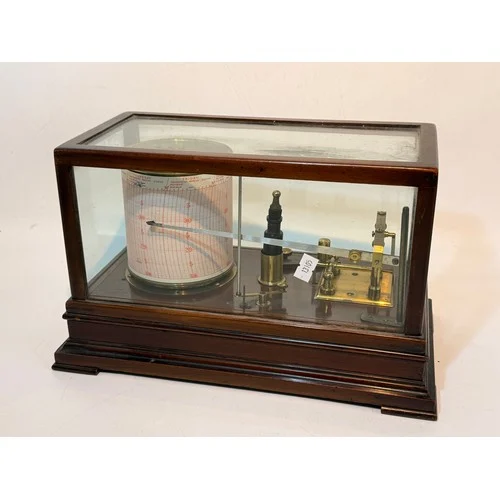
Whole-house sales throw up furniture, ceramics, pictures and treen in every state from cherished to careworn, so the catalogue and its live catalogue listing are where you start, and a report request or a viewing appointment is how you close the gap. Can’t attend? Ask the saleroom to send extra photographs of the back, base and any damage.
What questions are worth asking?
Generic requests get generic answers. Be pointed:
- “Are there any restorations, repairs or replacements not mentioned in the description?”
- “Under UV light, is there any over-painting or retouching?” (for pictures)
- “Is the movement running, and when was it last serviced?” (for clocks and watches)
- “What’s the net metal weight, and are the stones natural, treated or synthetic?” (for jewellery)
- “Are all keys, lids, feet and original fittings present?”
- “Can you send additional photographs of the underside and any faults?”
Keep the reply. A written report is your record if the item arrives materially different from what you were told — a separate matter from ordinary as-seen wear.
How much does condition affect price and fees?
Condition is one of the biggest levers on value: a restored crack or a replaced handle can knock a serious percentage off, while genuinely untouched, complete examples command a premium. Remember, too, that the hammer price is not the final cost. On top you’ll pay buyer’s premium (a percentage of the hammer that varies widely between houses — commonly in the region of 20–30% plus VAT on the premium), and often online-platform, card, packing and postage charges. Always read the terms for the specific sale, since fees differ. For a wider view of pricing across the trade, our UK auction market report is worth a read.
Where can I find these sales on Auction Eagle?
Rather than chase individual salerooms, start at the Auction Eagle home page for UK auction discovery, then narrow by what you collect. The category hubs carry the live calendar, so you’re never relying on a date that has passed:
- Collectables auctions — coins, banknotes, medals and curios.
- Jewellery auctions — where condition and stone-treatment reports matter most.
- Furniture auctions — the backbone of any house-clearance sale.
- Ceramics & porcelain auctions — chips and hairlines make or break value here.
To research a saleroom’s own terms and past sales before you bid, browse every UK auction house in the directory. Regional buyers may also value our focused guide to jewellery auctions in Lancashire, a category where reports are essential.
A first-time buyer’s condition checklist
- Register early with the house or platform and check your bidding is approved.
- Read the full lot description, then request a condition report on anything you’re serious about.
- Attend the viewing if it’s a room or hybrid sale, or ask for extra photos if it’s online-only.
- Assume flaws: no mention in a report doesn’t guarantee no fault — that’s what “sold as seen” means.
- Budget the total: hammer plus buyer’s premium, VAT, platform and postage.
- Keep the report and set a firm maximum before bidding opens.
What’s the single habit worth building?
Never bid on anything of value without reading — or requesting — a condition report first. Browse the collectables hub to see what’s coming up, follow the houses whose stock you like via the auction-house directory, and use the report as intended — as your eyes and hands when you can’t be in the room.
Frequently Asked Questions
What is a condition report at auction?
A condition report is a written, often photographic account from the auctioneer describing a lot's physical state — damage, repairs, restoration, wear and completeness — beyond the catalogue description. It's supplied on request, usually free, and expresses the auctioneer's opinion rather than a guarantee.
How do I request a condition report?
Use the 'request condition report' button on the lot's online catalogue page, or email or phone the saleroom quoting the lot number and sale date. Ask specific questions about repairs, weight or working order, and request it a few days before the sale.
What does 'sold as seen' mean at auction?
It means you buy the lot in its present condition, flaws included, and the auctioneer doesn't warrant it as perfect or complete. The responsibility to satisfy yourself rests with you, which is why viewing days and condition reports matter so much.
Does a condition report guarantee the item's condition?
No. A condition report is an expression of opinion offered as a courtesy, not a legally binding warranty. It's still your best written record, so keep it — but inspect in person or request extra photographs wherever you can.
What fees do I pay on top of the hammer price?
Buyer's premium is added to the hammer price — commonly around 20–30% plus VAT on the premium, though it varies by house — along with possible online-platform, card, packing and postage charges. Always check the terms for the specific sale.
Where can I find UK auctions with condition reports?
Browse Auction Eagle's category hubs for collectables, jewellery, furniture and ceramics, which show the live calendar, or use the auction-house directory to research a saleroom's terms before bidding.


