
Militaria and medals auctions in the UK range from dedicated specialist sales — a stand-alone medal-group sale or a full militaria day — to the militaria sections folded into general collectables auctions. Between them they cover campaign and gallantry medals, badges and insignia, edged weapons, antique and deactivated firearms, uniforms, signed philatelic covers, and military reference books and ephemera. Almost all now sell both online and in the room, and you pay the hammer price plus the saleroom’s buyer’s premium.
This guide walks through what actually crosses the rostrum, how to check a lot before you commit, why specialist sales behave differently from general ones, and where to find these auctions on Auction Eagle. For the live calendar of upcoming sales, the Militaria & Medals auctions hub is kept current; this article stays evergreen.
What sells at militaria and medals auctions?
The category is broader than most newcomers expect. Alongside medals you will find edged weapons, headdress, cap badges, buttons, field equipment, trench art, aviation memorabilia and the paper trail that underpins it all — commissions, log books, photographs and signed covers.
Medals divide roughly into two camps. Campaign medals were issued for service in a particular theatre and are often found in groups to a single recipient; gallantry and long-service awards carry a premium, especially when they are named and traceable to a man and his unit. A medal that can be tied to a documented service record — through the rim naming, a roll or surviving paperwork — is worth more than an identical but anonymous example, because collectors buy the story as much as the metal.
How do specialist sales differ from general auctions?
In a general saleroom, militaria shares the day with jewellery, silver, coins and household goods, and the cataloguing is necessarily brief. That can work in your favour: under-described lots slip through, and you are bidding against a mixed room rather than a row of specialists.
A dedicated militaria or medals sale is the opposite. Lots are researched, groups are kept together, condition is graded with care, and the bidders know exactly what they are looking at. You pay for that expertise in stronger competition, but you also get accurate attribution and far less risk of a misdescribed fake. If you are new, watch a specialist sale and a general one side by side — the difference in catalogue detail tells you a great deal.
What should I check before I bid?
Militaria is one of the most faked collecting fields, so due diligence matters more here than almost anywhere else.
- Naming and provenance: on named medals, check the rim engraving matches the known style for that award and era, and look for a documented chain of ownership.
- Legality: edged weapons, deactivated firearms and ammunition-related lots carry legal conditions. Antique and deactivated items must meet current UK rules, and some auctioneers require proof of age or restrict delivery.
- Condition and originality: re-ribboned medals, swapped parts, replaced scabbards and later restrikes all affect value. Use the viewing days, or ask for a condition report and extra photographs before bidding online.
- The small print: several houses that run mixed collectables sales sell electrical and untested items as seen — read the terms.
How much will I actually pay?
The hammer price is only the start. On top of it sits the buyer’s premium — a percentage added by the saleroom — and rates vary from house to house, so always check before you register. Many also charge a small additional fee for bidding through a third-party online platform.
VAT can apply to the premium, and occasionally to the hammer price on certain lots, which catches first-time buyers out. Our explainer on whether you pay VAT on auction purchases sets out how that works. Because coins and medallions frequently share these sales, the companion Coins & Banknotes auctions UK buyer’s guide is worth a read too. For a wider view of pricing and fee trends, see the UK auction market report.
How do I bid at a militaria or medals auction?
Registration is straightforward and usually free. You create an account with the saleroom or its online platform, supply ID and sometimes a card for verification, and you are given a paddle number. From there you have four routes:
- In the room on sale day, after viewing the lots in person.
- Live online, bidding in real time as the auctioneer works through the catalogue.
- Absentee (commission) bids, leaving your maximum in advance for the saleroom to execute.
- Telephone bids on higher-value lots, where a member of staff calls you as the lot approaches.
Set your ceiling before the lot opens, and include the premium and VAT within that figure rather than on top of it.
Where can I find militaria and medals auctions near me?
Auction Eagle lists active houses across the country. You can browse every UK auction house, or start from the Auction Eagle home page and filter by category and region. Houses that regularly feature militaria and medals include:
- Chaucer Auctions in Folkestone — strong on signed covers and aviation material. See more Militaria & Medals auctions in Kent.
- Elite Auctions in Wakefield — mixed specialist collectables with militaria and coins. Browse Militaria & Medals auctions in West Yorkshire.
- Sutton Hill Farm Country Auctions near Leicester — country sales with militaria lots; see Militaria & Medals auctions in Leicestershire.
- Brettells Auctioneers & Valuers in Newport, Shropshire.
- Cadmore Auctions, running regular online sales.
- William George in Stamford, Lincolnshire.
- Clumber Auction House at Dinnington, Sheffield.
- Clarke’s Auctions in Dorset.
If you are closer to the capital, the Militaria & Medals auctions in London hub tracks sales in and around the city.
To see the format in practice, sales like the Specialist Collectables Auction run by Elite Auctions in Wakefield go out online and in person and fold militaria in among gold, silver and coins — a good hunting ground for undervalued lots. It sits in West Yorkshire.
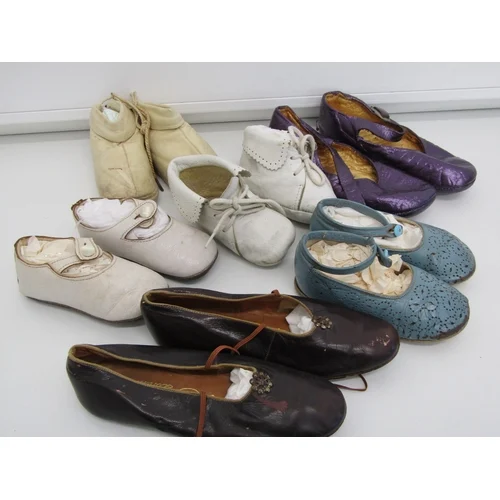
Coin-led sales like the Coins, Banknotes & Medallions sale at Toovey’s, held online and in the room in West Sussex, are where commemorative medallions and ancient coinage tend to surface.

Purely specialist events like The Militaria Auction at Anderson & Garland in Newcastle, Tyne and Wear, show the depth of cataloguing a dedicated sale brings.
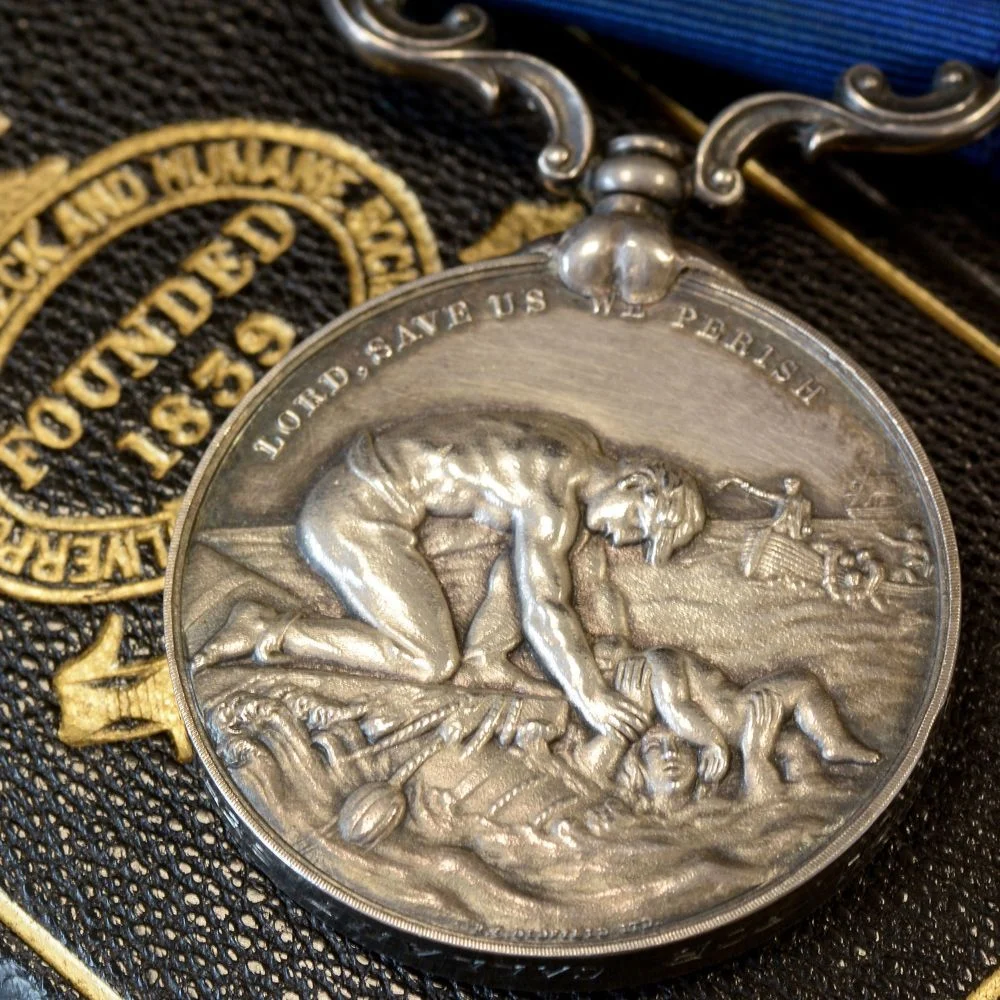
What typically comes up?
The real catalogues give a clear picture of the range on offer.
Signed covers and aviation autographs
Philatelic militaria is a field of its own. Battle of Britain covers signed by the Few — names such as B Duke-Woolley, Avis Hearn, Alec Ingle, C Haw, Frank Carey and W Walker — carry real historical weight, as do RAF first-day covers signed by senior figures like Air Chief Marshal Sir Richard Johns and MRAF Sir Keith Williamson. The appeal extends to a WW2 U-boat captain’s signed cover and even a NASA astronaut’s Space Shuttle Columbia cover; scarcity of the signature drives value.
Edged weapons and field equipment
Lots such as a WW1 French Chassepot Fusil modèle 1866 sword bayonet and scabbard show how continental and British material mixes in these sales. Originality of the blade, grip and scabbard is everything here.
Medals, medallions and military books
Beyond campaign groups you will find commemorative pieces such as a pair of UK solid bronze medallions depicting Framlingham Castle and Fountains Abbey, and reference works that collectors actually use — Jane’s Fighting Ships editions from 1944-5 and 1965-66, and The Globe and Laurel, the journal of the Royal Marines.
Ancient coinage crossover
Because coins share these sales, expect Roman provincial bronzes, collections of ancient Roman coins and Sasanian silver drachms of Khosrow II — a natural overlap for buyers who collect both.
A first-time buyer’s checklist
- Register and confirm the buyer’s premium rate before the sale starts.
- Request condition reports and extra images for anything you cannot view in person.
- Check the legal status of edged weapons and deactivated firearms, and any delivery restrictions.
- On medals, verify naming against known styles and ask about provenance.
- Set a hard maximum that already includes premium and VAT.
- Keep paperwork — it protects resale value as much as the item itself.
Your next step on Auction Eagle
When you are ready, open the Militaria & Medals auctions hub to see what is coming up, and follow the houses above so new sales reach you early. If you are also thinking of selling a group or a collection, our guide on how to sell items at auction in the UK covers valuations, reserves and commission.
Frequently Asked Questions
What fees do buyers pay at militaria and medals auctions?
You pay the hammer price plus the saleroom's buyer's premium, a percentage that varies between houses, so check it before registering. Online bidding may add a small platform fee, and VAT can apply to the premium — always read the terms.
How do I bid at a UK militaria or medals auction?
Register with the saleroom or its online platform, supply ID and get a paddle number. You can then bid in the room, live online, by leaving an absentee (commission) bid in advance, or by telephone for higher-value lots. Registration is usually free.
What sells at militaria and medals auctions?
Campaign and gallantry medals, badges and insignia, edged weapons, antique and deactivated firearms, uniforms, signed philatelic covers, aviation memorabilia, and military reference books and ephemera. Specialist sales often include commemorative medallions and ancient coins too.
Are specialist militaria sales different from general auctions?
Yes. Specialist sales research and grade lots carefully and keep groups together, so attribution is reliable but competition is stronger. General collectables auctions describe militaria more briefly, which can mean less competition but more risk of a misdescribed lot.
How do I avoid fakes when buying militaria?
Check medal naming against known period styles, insist on provenance or paperwork, and confirm the originality of blades, ribbons and scabbards. Use viewing days or request condition reports and extra photographs before bidding, and buy from reputable houses.
Where can I find militaria and medals auctions in the UK?
Use Auction Eagle's Militaria & Medals hub for the live calendar, or browse by region. Active houses include Chaucer Auctions in Kent, Elite Auctions in West Yorkshire, Sutton Hill Farm in Leicestershire, Brettells in Shropshire and Clarke's in Dorset.


