
A reserve price is the confidential minimum a seller will accept for a lot. If bidding doesn’t reach it, the lot goes unsold — the trade calls this being “bought in” — and it stays with the vendor. The auctioneer will not bring the hammer down below the reserve, however lively the room feels.
That single rule shapes much of what happens on sale day. Grasp reserves and you’ll read a catalogue more sharply, bid with more nerve, and stop mistaking a low estimate for a bargain. Here’s how reserves, estimates, no-reserve lots and £1-start sales actually work for you.
What is a reserve price, and how does it differ from the estimate?
The reserve is a private figure agreed between the seller and the auction house — you never see it printed. The estimate is the public guide, shown as a range (say £200–£300), telling you roughly where the house expects the lot to land. Related, but not the same thing.
By long-standing UK practice a reserve is usually set at or below the low estimate, and it cannot legally exceed it. So if a clock is estimated at £200–£300, the reserve might be £180 or £200 — never £320. That gives you a working assumption: clear the low estimate and you’ve very likely cleared the reserve.
Estimates describe the hammer price, not the total you pay — a point worth holding onto when you set your own ceiling.
What does “unsold” or “bought in” mean for a buyer?
When bidding stalls under the reserve, the lot is bought in. Listen for the auctioneer’s shorthand — “pass”, “no sale”, or simply moving on. It isn’t a dead end for you.
- Ask about after-sale offers. Bought-in lots can often be bought privately once the sale ends, sometimes close to your final bid.
- Watch for re-entered lots. Unsold items frequently reappear in a later sale, occasionally with a trimmed reserve.
- Read the room. A lot that fails to sell tells you the day’s market — useful intelligence for similar pieces.
Bidding below a reserve commits you to nothing; you simply haven’t bought it. But it can open a polite conversation with the saleroom afterwards.
What are “no reserve” and “£1 start” sales?
A no-reserve lot sells to the highest bidder, whatever that turns out to be — no hidden floor. A £1 start (or £5, or £10) simply means the auctioneer opens low to get the room going; it’s no promise about the final price, and a keen crowd can push a £1-start lot a long way up.
No-reserve material is common in house-clearance, interiors and garden sales, where volume matters more than protecting each individual figure. It’s where real value turns up for patient buyers — and where discipline pays, because “cheap to start” is not the same as “cheap to win”.
Why do some houses run no-reserve sales?
Speed and certainty. Executors, downsizers and trade vendors often want everything cleared in a single day. No reserves keep the sale moving and guarantee the goods find a home, which is why you’ll see them on large, varied catalogues rather than single showpiece lots.
What sells in reserve and no-reserve sales? Two real examples
Consider a classic mixed antiques-and-interiors auction such as the Antiques & Interiors, to include Beswick & Border Fine Arts – Part I sale run by Tennants Auctioneers at their Auction Centre on Harmby Road in North Yorkshire.
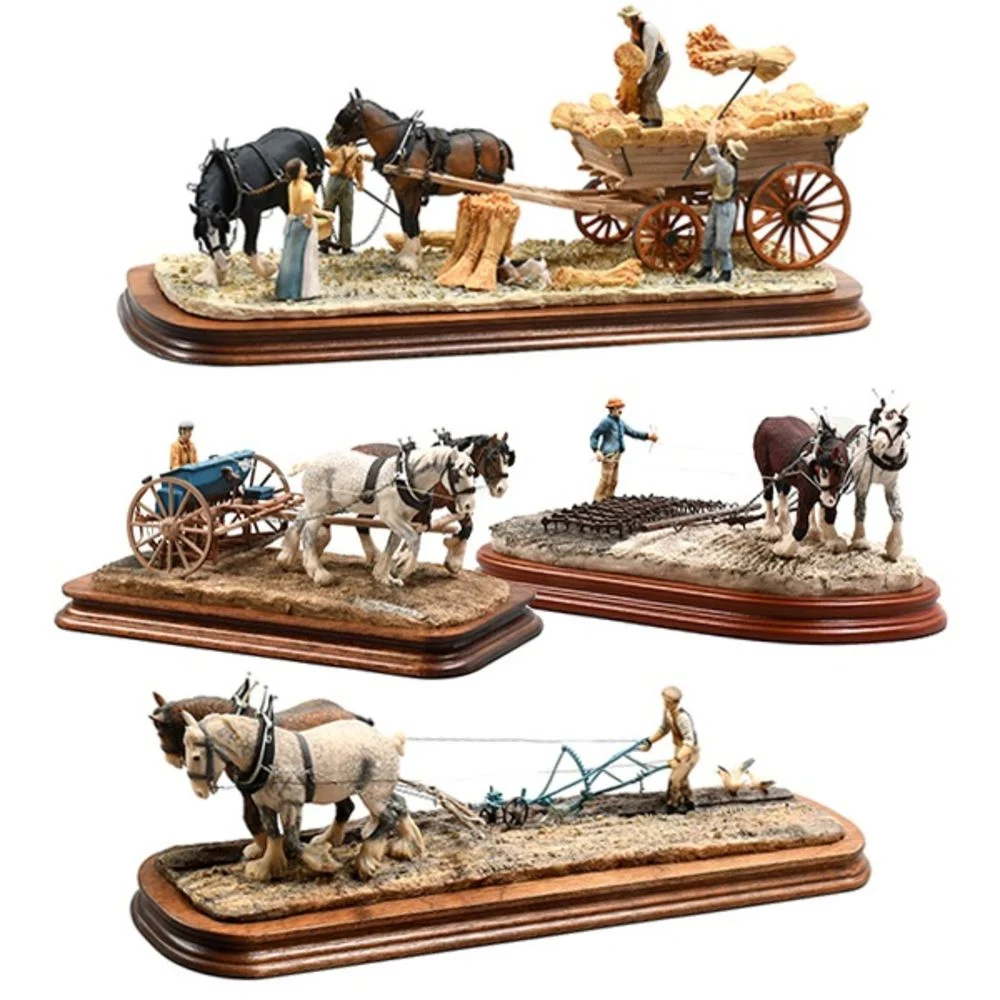
Sales like this pair collectable ceramics — Beswick animals and Border Fine Arts figures, both keenly followed — with general interiors. That mix is a reserve-watcher’s classroom: the named collectable lines usually carry a modest reserve tied to a published estimate, while the fill-in furniture and decorative pieces may be lightly reserved or not at all. Held online and in person, it lets you test the market from the sofa. Size up the current lots and estimates on the live Tennants catalogue before you commit.
Now compare a specialist garden sale like the Sale of Ornamental Trees, Fruit Trees, Olive Trees, Shrubs, Plants, Garden Ornaments and Much More from H J Pugh & Co at Hazle Meadows Auction Centre, Ross Road, Ledbury, in Herefordshire.
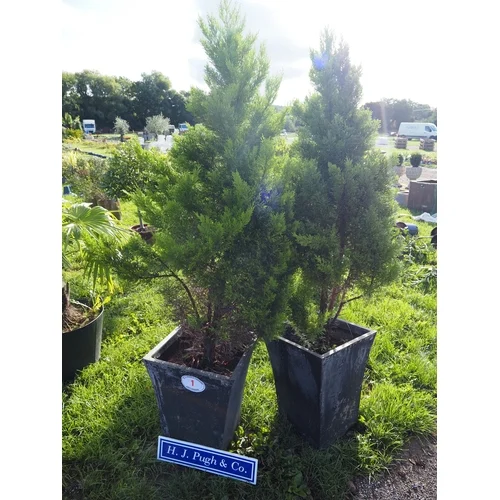
Sales like this — olive trees, fruit trees, shrubs, planters and garden ornaments — are exactly where low or absent reserves come into play, because living stock and bulky ornaments need to move. H J Pugh’s terms are refreshingly plain: buyer’s premium of 10% plus VAT, descriptions for identification only, everything sold as seen, and no posting of plants or large items — so budget for collection. There’s parking and a caterer on site. Browse the live garden-sale catalogue to see the current lots.
How much will I actually pay above the hammer?
The reserve governs whether a lot sells; your total bill depends on the fees on top. These vary house to house, so always read the terms for the specific sale:
- Buyer’s premium: a percentage added to the hammer price. It ranges widely across UK houses — H J Pugh & Co, for example, states 10% plus VAT.
- VAT: usually charged on the premium, and sometimes on the hammer for certain lots.
- Online surcharge: bidding via a third-party platform can add a further few percent.
Set your maximum as an all-in figure. If your ceiling is £300 delivered, work backwards through the premium and VAT to find the hammer price you can afford. For a wider view of how fees and prices are moving nationally, the UK auction market report is a useful reference.
How do I bid when there’s a reserve in play?
Registration is straightforward: open an account with the house or platform, provide ID and usually card details, and you’ll get a paddle number or online login. From there your options are the same whether or not a reserve exists.
- In the room: raise your paddle. Best for judging condition and momentum first-hand.
- Absentee (commission) bid: leave your maximum and the auctioneer bids on your behalf up to it, working efficiently against the reserve.
- Telephone or live online: bid in real time remotely, as both example sales allow.
A commission bid is genuinely handy with reserves: if your maximum sits below the reserve, you simply don’t win; if it’s above, the house buys as cheaply as competition allows. If you’re weighing formats, our guide to timed versus live auctions explains how bidding rhythm differs.
Where do I find these sales on Auction Eagle?
Start at the Auction Eagle home page and follow the category that fits what you collect. The collectables auctions hub is the place for Beswick and Border Fine Arts; for decorative and household pieces try the furniture auctions hub and the ceramics & porcelain auctions hub. To find a saleroom near you, use the directory to browse every UK auction house. If ceramics are your thing, our Lancashire ceramics and porcelain guide goes deeper on grading and marks.
First-time buyer’s checklist
- Read the estimate and treat the low end as your likely reserve threshold.
- Set an all-in maximum including premium and VAT — then hold to it.
- View in person or study photos and condition reports; lots sell as seen.
- Register early and decide your bidding method before the lot comes up.
- If a lot is bought in, ask about an after-sale offer.
- Check collection rules — plants and large items usually can’t be posted.
A reserve is nothing to fear; it’s simply the seller’s safety net, and knowing roughly where it sits makes you a calmer, sharper buyer. Follow the salerooms you like, keep an eye on the category hubs for the live calendar, and let the estimates do the talking.
Frequently Asked Questions
What is a reserve price at auction?
A reserve is the confidential minimum a seller will accept. If bidding doesn't reach it, the lot goes unsold (bought in) and the auctioneer won't drop the hammer below it.
Is the reserve the same as the estimate?
No. The estimate is the public guide range; the reserve is a private figure. In UK practice the reserve is set at or below the low estimate and can never exceed it.
What does "no reserve" or "£1 start" mean?
No reserve means the lot sells to the highest bidder with no hidden floor. A £1 start is just a low opening bid to get things moving — not a promise about the final price.
How much do I pay on top of the hammer price?
Buyer's premium plus VAT, and sometimes an online surcharge. Rates vary by house — H J Pugh & Co, for example, charges 10% plus VAT. Always set an all-in maximum.
Can I buy a lot that went unsold?
Often yes. Bought-in lots can be bought privately after the sale, sometimes near your final bid, or may reappear in a later auction with a lower reserve.
How do I bid if there's a reserve?
Register with the house or platform, then bid in the room, live online, by telephone, or leave an absentee bid. A commission bid only wins if your maximum clears the reserve.


