
A single Alexander the Great tetradrachm catalogued with a full attribution, or a biscuit tin of mixed decimal coins knocked down as one lot — both come up at UK auctions, just in very different rooms. Coins and banknotes auctions in the UK run in two forms: dedicated numismatic sales at specialist houses, and coin sections folded into general antiques and collectables auctions. You bid in the room or online (usually via platforms like the-saleroom or bidspirit) and pay the hammer price plus a buyer’s premium, and the fastest way to find a sale near you is the live calendar on Auction Eagle’s Coins & Banknotes auctions hub.
That split matters more than beginners expect. A specialist sale might lot a single Greek tetradrachm on its own with a reference number and a grade; a general saleroom might bundle a handful of modern circulation coins into one lot and move on. Both reward your attention — you just bid differently in each. Here’s how the ground actually lies.
What sells at coins and banknotes auctions?
Far more than the name suggests. At the serious end you’ll see hammered and milled British coinage, gold sovereigns and half sovereigns, ancient Greek and Roman silver, Islamic and world coins, and paper money from white fivers to colonial issues. At the everyday end — the mixed general sales — coins turn up as job lots: proof sets, commemorative crowns, bulk circulation coins and silver bullion rounds.
Banknotes follow their own logic. Condition and serial numbers drive value as much as rarity, so a crisp, low-serial note can outrun a creased example of the same issue. Grading language — Fine, Very Fine, Extremely Fine, Uncirculated — is the vocabulary to learn first.
How do specialist coin sales differ from general auctions?
A specialist numismatic house catalogues each lot properly: ruler, mint, date, denomination, metal, often a reference number and a grade. Noonans in Mayfair is the obvious example of that world, running dedicated coin, medal and banknote sales to a national bidding audience. You pay for that rigour and you get provenance and accurate attribution in return.
General and regional salerooms treat coins as one department among many. Lots are broader, descriptions shorter, and bargains more common precisely because there’s less specialist scrutiny — but so is the risk of optimistic cataloguing on something you haven’t examined. To see how the wider trade is moving, the UK auction market report reads well alongside this guide.
How much does it cost to buy?
Budget for more than the hammer price. The main add-on is the buyer’s premium, a percentage the house charges on top of your winning bid; rates vary between houses and change over time, so always read the terms for that specific sale. Beyond the premium you may face:
- VAT on the premium (and occasionally on the lot, for certain items)
- Online bidding platform fees, often a few per cent extra
- Postage and packing, or collection in person — worth weighing for heavy coin lots
Figures move, so I won’t quote any here, but the principle holds: work out your true all-in cost before you bid, not after.
How do I bid at a UK coin auction?
Registration comes first and it’s quick. You create an account with the house or the bidding platform, confirm your details, and in some cases leave a card to verify you. From there you have four routes:
- In the room — attend, take a paddle, bid live. Best for examining coins first.
- Live online — bid in real time through the platform as the sale runs.
- Absentee (commission) bid — leave your maximum and the house bids on your behalf up to it.
- Telephone — a clerk calls you for higher-value lots so you can bid by phone.
Whichever you choose, use the viewing or preview day if there is one. Photographs flatter coins; toning, cleaning and edge knocks are far easier to judge in the hand.
What should I check before bidding?
Numismatics rewards caution. Before you commit:
- Read the description literally. Phrases like “tests as” or “indistinctly marked” are doing careful work — note what the house is not guaranteeing.
- Check for cleaning and tooling. A harshly cleaned coin can be worth a fraction of an original one.
- Scrutinise grade and authenticity. For ancient and high-value coins, independent certification or a trusted specialist’s eye is worth seeking.
- Weigh premium and postage against the coin’s real market value.
If you’re thinking of selling coins you’ve inherited or outgrown, our guide on how to sell items at auction in the UK covers consigning and reserves from the other side of the rostrum.
Where can I find coins and banknotes auctions in the UK?
Start with the Coins & Banknotes auctions hub, which always shows the current calendar of sales, and browse every UK auction house if you’d rather work by region. Several houses regularly list coin and banknote lots on Auction Eagle:
- Noonans Mayfair, London — the specialist name for coins, medals and paper money.
- Buy Sell Trade Auction House, Armagh — high-volume online sales with frequent coin lots.
- Clumber Auction House, Dinnington, Sheffield.
- Elite Auctions, Wakefield, West Yorkshire.
- Auction Cash, Sutton, St Helens.
- Horners Valuers & Auctioneers, Acle, Norfolk.
- Sutton Hill Farm Country Auctions, near Leicester.
- Matthews Auctioneers.
You can also filter by county. Collectors often look for coin auctions in London, South Yorkshire auctioneers, coin sales in Lancashire, Hertfordshire auctioneers, or coins & banknotes auctions in Northern Ireland — each regional hub carries its own live listings.
What do these sales look like in practice?
Sales like the Antiques, Pictures & Collectables auction from Keys Fine Art Auctioneers on Palmers Lane in Norfolk show how coins sit within a broad general sale — ceramics, glass, Oriental, clocks and furniture, with a coins section running through it. It’s offered online and in person, with the live catalogue on the-saleroom.
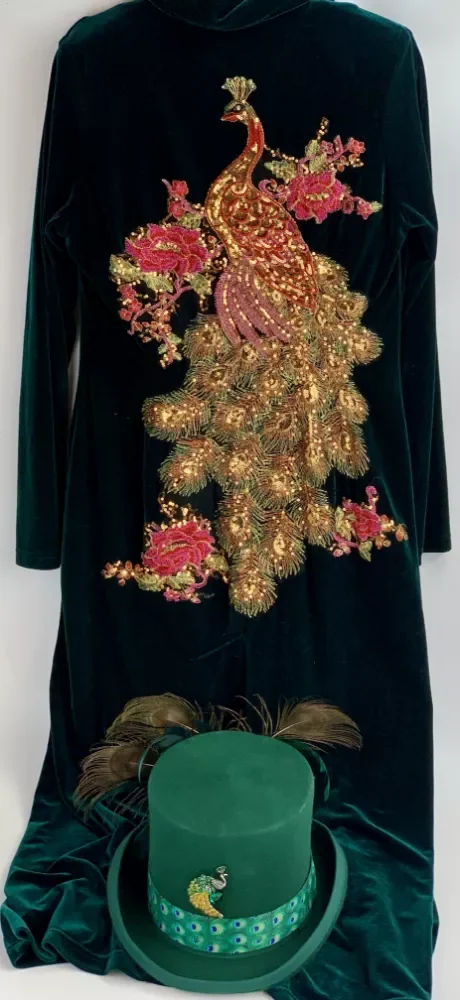
Online-only mixed sales are the other common shape — eclectic and fast-moving, with coins sitting beside steampunk pieces, dress jewellery, watches, cameras, toys and vinyl, as in the sale from Gary Don Auctioneers in West Yorkshire. You can read the full details on its Auction Eagle listing and browse the lots on the live catalogue on the-saleroom.
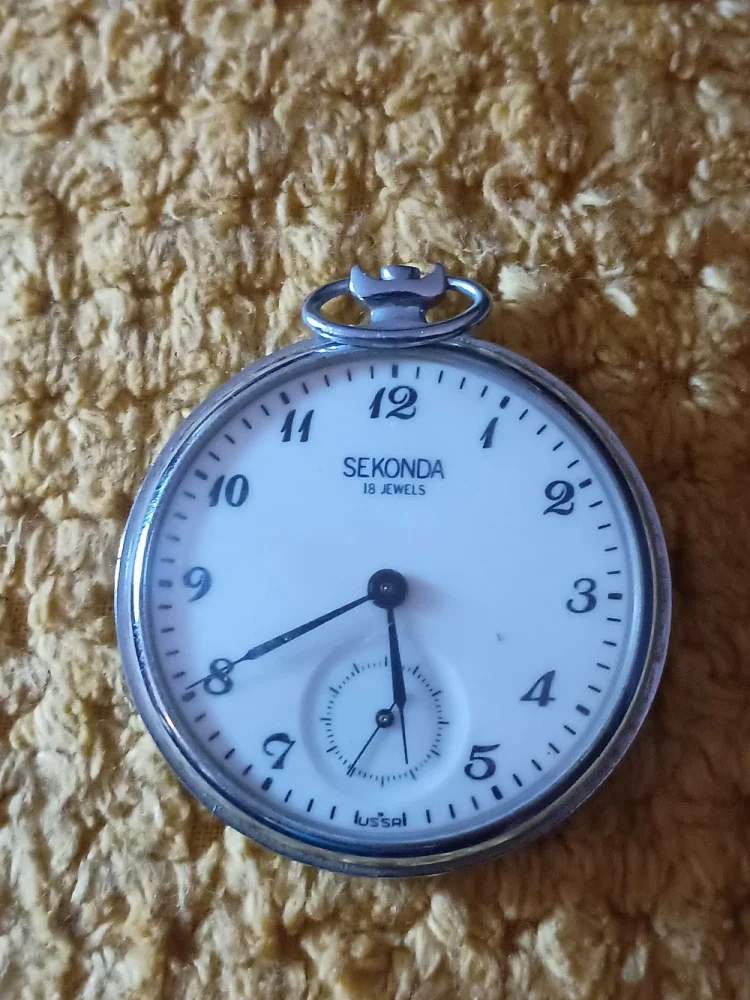
And then there’s the no-reserve end, where every lot opens at £1. The 400-plus-lot main auction from Buy Sell Trade Auction House in Armagh, Northern Ireland, mixes silver coins in with Star Wars pieces, military badges, jewellery and watches, all catalogued on bidspirit. Lots are added daily, so the catalogue grows right up to the sale.
What typically comes up?
Across recent catalogues, the coin and banknote content tends to fall into a few recognisable groups.
Ancient and world coins
The most collectable — and most variable — material. Titles such as an Alexander III the Great silver tetradrachm, a Jalayrid silver dinar struck at Tabriz, and a Karabakh silver abbasi from Afghanistan are the kind of lots that reward research and careful grading. A “Collection of International 20th Century Circulation Coins” sits at the opposite, accessible end: cheap, fun, and a good way to learn attribution without much risk.
British proof and uncirculated sets
Modern Royal Mint and Commonwealth issues appear constantly — a UK 1991 Brilliant Uncirculated collection, a 2021 Queen Elizabeth II proof Gibraltar Poppy Fields coin, a 22ct half sovereign. These trade close to known catalogue values, so they’re predictable lots for a first bid.
Silver and bullion
Weight-based lots that blur the line between collecting and investing: a Geiger Edelmetalle 10g fine silver bar, a Star Wars .999 silver logo ingot, a 999 silver plaque, a copper bullion round. The metal content underpins the value here, so check weight and fineness carefully.
Coins among the crossover lots
In the mixed sales, coins share the room with militaria such as a WW1 French Chassepot bayonet and a signed WW2 Battle of Britain RAF postcard, plus jewellery, Invicta watches, Funko Pop figures and Beano comics. If you collect across categories, these sales are efficient — you’re bidding in one place for several interests at once.
A first-time buyer’s checklist
- Register early with the house or platform — don’t leave it to sale day.
- Read every lot description word for word, caveats included.
- View in person or request extra photos for anything of value.
- Set a firm maximum that already includes premium, VAT and postage.
- Start with modern proof sets or job lots before chasing ancients.
- Learn grading terms and serial-number conventions for notes.
If the specialist-sale format appeals, the same discipline carries across categories — our watches auctions UK buyer’s guide walks through condition checks in a closely related market.
Your next step
When you’re ready to buy coins or banknotes in the UK, open the Coins & Banknotes hub to see what’s live, follow the houses whose sales suit you, and use the Auction Eagle home page to track upcoming lots. Bid patiently, examine carefully, and the good coins come round again.
Frequently Asked Questions
How much are buyer's premiums at UK coin auctions?
Buyer's premium is a percentage added to your winning hammer price, and rates vary by auction house and over time. VAT may apply to the premium, and online platforms often add a small fee, so always check the terms for the specific sale before bidding.
How do I bid at a coins and banknotes auction in the UK?
Register with the auction house or bidding platform, then bid in the room, live online, by telephone, or by leaving an absentee (commission) bid up to your maximum. Many sales run both online and in person via platforms such as the-saleroom or bidspirit.
What sells at coins and banknotes auctions?
Ancient Greek, Roman, Islamic and world coins, British hammered and milled coinage, gold sovereigns, proof and uncirculated sets, silver bullion, and paper money from fivers to colonial issues. General salerooms also sell coins as job lots within mixed antiques sales.
Are specialist coin sales better than general auctions?
Specialist numismatic houses catalogue each lot with ruler, mint, date, metal and grade, giving accuracy and provenance. General salerooms list coins in broader lots with shorter descriptions, which can mean bargains but also more risk, so examine lots before bidding.
Where can I find coins and banknotes auctions near me in the UK?
Use Auction Eagle's Coins & Banknotes hub for the live national calendar, or filter by county through regional hubs for London, South Yorkshire, Lancashire, Hertfordshire and Northern Ireland. Active houses include Noonans Mayfair and several regional auctioneers.
What should I check before buying a coin at auction?
Read the description and its caveats literally, check for cleaning, tooling or edge damage, confirm grade and authenticity (certification helps for high-value pieces), and calculate your full cost including premium, VAT and postage before setting your maximum bid.


