
Watches auctions in the UK sell wristwatches and pocket watches to the highest bidder — a mid-century Swiss mechanical, a military field watch, the occasional boxed modern piece — either in dedicated specialist sales or as single lots within general antiques and jewellery auctions. Most run online and in-room at once, with telephone and absentee bidding available, and every hammer price is topped by a buyer’s premium. The quickest way to find one near you is the watches auctions hub on Auction Eagle, which lists the live calendar of UK sales.
Watches turn up at auction in two very different settings, and knowing which you are looking at changes how you bid. This guide covers what comes up, how the specialist sales differ from the general ones, the fees to budget for, what to inspect before you raise your paddle, and the UK houses that regularly offer watches.
What sells at watches auctions in the UK?
Everything from a £20 fashion quartz to serious Swiss mechanical pieces. In practice the bulk of UK watch lots fall into a handful of camps: vintage gentlemen’s and ladies’ mechanical wristwatches, mid-century dress watches, military and tool watches, pocket watches, and the odd modern piece with box and papers. You will also see watches sold alongside their natural neighbours — silver, gold and jewellery — because the same buyers tend to want all three.
A lot like the Buren Gran Prix gentleman’s watch that has appeared in these sales is a good example of the everyday sweet spot: a mid-century Swiss mechanical from a respected maker, the sort of thing that sells steadily without the froth of the big marquee brands. These are the watches most first-time bidders actually take home.
How do specialist watch sales differ from general antiques sales?
A specialist sale — typically billed as Silver, Jewellery & Watches or Fine Jewellery, Watches & Silver — concentrates the good material in one catalogue, usually with better photography, movement details, and sometimes a condition report as standard. Expect more competition and sharper estimates.
A general Antiques & Interiors sale scatters watches among the furniture, ceramics and collectables. The entries are often shorter, condition reports are on request, and because fewer watch specialists are watching, the occasional bargain slips through. The trade-off is less certainty about what you are buying. If you are new to this, read a few catalogues of each type side by side so the difference becomes obvious.
How much does it cost to buy a watch at auction?
The headline figure in the catalogue is the estimate; the price you say yes to is the hammer price. On top of that you pay a buyer’s premium — a percentage set by the house, which varies but commonly sits somewhere around 20–30% — and VAT is usually charged on the premium. Online bidding platforms often add a further live-bidding fee of a few per cent.
- Hammer price — your winning bid.
- Buyer’s premium — a set percentage; always check the house’s terms before you bid.
- VAT — generally on the premium, occasionally on the hammer for certain lots.
- Platform and payment fees — small extras for live online bidding.
- Postage or collection — budget for this separately.
Rates differ from house to house, so read the terms and conditions on each sale page. For the wider picture of how UK prices and categories are moving, the UK auction market report is worth a read.
How do I bid on watches at a UK auction?
Register with the auction house (or the bidding platform it uses) ahead of the sale — this usually means confirming your details and sometimes a card for identity. Then choose how to bid:
- In person — attend the viewing, inspect the watch, and bid in the room.
- Live online — bid in real time from home as each lot comes up.
- Telephone — a staff member calls you for specific lots; handy for higher-value pieces.
- Absentee (commission) bid — you leave a maximum and the house bids up to it on your behalf.
Most watch sales run all of these at once. Set your ceiling before the lot opens, and remember the premium when you decide what that ceiling is.
What should I check before bidding on a watch?
Watches reward homework. Before you commit:
- Read the lot carefully — note whether it says the watch is running, and whether a service history or box and papers are mentioned.
- Request a condition report — ask about the movement, dial, hands, case wear and any replacement parts.
- Look closely at the photos — refinished dials, swapped crowns and worn lugs all show up under magnification.
- Treat “not running” as a service bill — mechanical watches often need work; price that in.
- Be cautious on big names — authenticity matters most on the brands that get faked, so buy from reputable houses and ask questions.
A specialist sale generally gives you more of this information up front. In a general sale you may need to ask — so do, before the hammer falls, not after.
Where can I find watches auctions in the UK?
Start at the watches auctions hub, which always shows the current calendar, then narrow by area: watches auctions in London, Hertfordshire, Scotland, Northern Ireland and South Yorkshire. You can also browse every UK auction house and follow the ones whose sales suit you.
Houses that regularly handle watches, silver and jewellery across the UK include Thomson Roddick Callan near Edinburgh, Bolton Auction Room, Gloucestershire’s Banks Jewellery Auctions, Hansons Auctioneers and Valuers in Derbyshire, Alnwick Auctions in Northumberland, Sutton Hill Farm Country Auctions near Leicester, and in Northern Ireland both Buy Sell Trade Auction House in Armagh and Locke’s Auctioneers in Belfast.
Which specialist sales should I watch?
Sales like the Silver, Jewellery & Watches Auction from Anderson & Garland in Newcastle are the type to follow if watches are your focus — a dedicated catalogue, online and in-room bidding, with a live catalogue you can browse before the day. See their sale page and the Anderson & Garland house page, or everything running in Tyne and Wear.
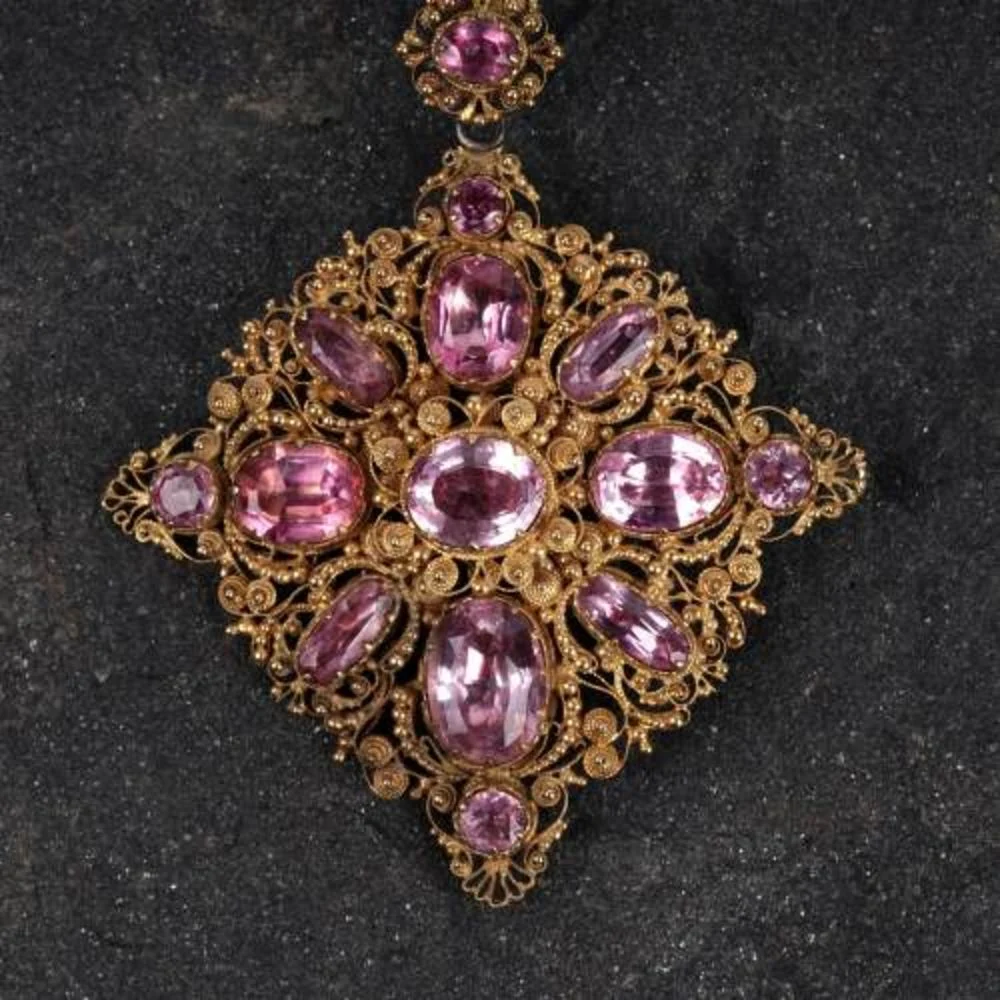
Equally, sales like Hansons’ Banbury Fine Jewellery, Watches, Silver, Fine Art & Antiques Auction bring watches together with jewellery and silver in one fine sale — browse the live catalogue and see what else is on in Oxfordshire.

Which general sales are worth scanning?
Don’t ignore the broader interiors catalogues. Sales like the Two Day Antique & Interiors Sale from Lindsay Burns & Company in Perth list watches and clocks among the ceramics, silver, jewellery and gold — a classic spot for a well-priced single lot. Check the live catalogue or see all sales in Scotland.

What typically comes up in these sales?
Watch lots rarely arrive alone. Grouping the kind of material these catalogues carry helps you see where a watch sits and who else is bidding.
Wristwatches and pocket watches
The core of the category — pieces like the Buren Gran Prix gentleman’s watch. Mid-century Swiss mechanicals from solid, non-marquee makers are the most accessible way in: collectable, wearable, and usually sensibly estimated.
Optics and field instruments
The same collectors often chase vintage optics, and these sales reflect it — a Chinon Countryman 10×50 binocular in its original case, and a W. Watson & Sons of London military binocular dated 1902. Dated, maker-marked military optics in particular have a keen following.
Silver and precious metal
Watches share the room with hallmarked silver and gold: pieces such as an English Sheffield silver-plated heavy dish, a Walker & Hall of Sheffield fish set in its original box, and silver chains and pendants. Good for anyone building a mixed silver-and-watch collection, and a reminder that jewellery and watches almost always sell together — see our guide to jewellery auctions in Scotland for how that side works.
A first-time buyer’s checklist
- Register early and confirm how you’ll bid — in person, live online, phone or absentee.
- Set a firm maximum, then work the buyer’s premium and any fees into it before the lot opens.
- Request a condition report and ask directly whether the watch runs.
- Study the photographs for dial, case and hand condition; assume “not running” means a service.
- Check the sale’s terms for premium, VAT and payment deadlines.
- Plan collection or postage in advance — our guide to collecting or shipping auction purchases explains the options.
If some of this is new, a quick read of what a house clearance auction is shows how general sales are put together, and the wine & whisky auctions guide covers the same bidding mechanics in another collecting field.
What’s your next step?
Watches reward patience and reading the small print. Keep an eye on the watches auctions hub for the live calendar, follow the houses whose sales suit you from the Auction Eagle home page, and the right lot will come round. Bid on one you’ve inspected, at a price you set in advance, and you’ll do well.
Frequently Asked Questions
How much is the buyer's premium at UK watches auctions?
It varies by auction house but commonly sits around 20–30% of the hammer price, with VAT usually charged on the premium and sometimes a small extra fee for live online bidding. Always check each sale's terms before you bid.
How do I bid on a watch at a UK auction?
Register with the auction house or its bidding platform before the sale, then bid in person, live online, by telephone, or by leaving an absentee (commission) bid up to your maximum. Most UK watch sales offer all of these at once.
What is the difference between a specialist watch sale and a general antiques sale?
A specialist Silver, Jewellery & Watches sale concentrates the best watches in one catalogue with fuller descriptions and more competition. A general Antiques & Interiors sale scatters watches among other lots, with shorter entries but the occasional bargain.
What should I check before buying a watch at auction?
Read whether the lot states the watch is running, request a condition report on the movement, dial and case, study the photographs for wear or replaced parts, and budget for a service if it is not running. Be especially careful about authenticity on big-name brands.
Where can I find watches auctions in the UK?
Use the watches auctions hub on Auction Eagle for the live UK calendar, then filter by region such as London, Scotland or Northern Ireland. Houses handling watches include Hansons, Anderson & Garland, Thomson Roddick Callan and Lindsay Burns & Company.
Can you buy watches at auction online in the UK?
Yes. Most UK watch sales run online and in-room at the same time, so you can bid live over the internet, by telephone or by absentee bid while the sale also takes bids in the room.


