
Furniture auctions in the UK run as live in-room sales, timed online-only sales, or a mix of both, where you bid on lots of antique, vintage and modern furniture and pay the hammer price plus a buyer’s premium. Specialist furniture sales focus on better cabinet work and named designers; general “home furnishings and collectables” sales mix furniture in with china, tools and household goods. You’ll find both at regional auction houses across the country, with full catalogues published online before each sale.
That mix is why furniture rewards a patient buyer. A solid mahogany chest that costs a fortune new can go for a modest sum secondhand, and much of the trade still moves through the salerooms. This guide covers what comes up, what to check before you bid, how the specialist sales differ from the general ones, and where to find them on Auction Eagle, the UK auction-discovery site.
What sells at furniture auctions in the UK?
Almost everything, from Georgian and Victorian brown furniture to mid-century teak, painted country pieces and flat-pack-era modern. General sales lean towards useful household furniture: bedside cupboards, dining tables, bookcases and the like. Alongside it comes the whole house emptied out — ceramics, clocks, tools, militaria, advertising and bric-a-brac.
To show the range, catalogue titles have included a White Painted Wood Bedside Cupboard with hand-painted floral detail, a Hardwood Folding TV Tray Table, a Cast Aluminium Three-Piece Garden Bistro Set and a Boxed Hollywood-Style Wall Mirror with LED bulbs. That spread — antique, garden, modern — is typical of a good general sale.
How much does it cost to buy at a furniture auction?
The price on the rostrum is the hammer price. On top of that you pay a buyer’s premium, a percentage the house adds to every lot, and VAT is usually charged on that premium. Premiums vary between houses and have crept up over the years, so read the terms for the specific sale before you bid — they’re printed with the catalogue. Bidding through a third-party online platform often adds a further small fee.
Budget for delivery too. Furniture is heavy and most houses don’t ship it themselves, so you’ll either collect in person or arrange a courier. Factor that in before you decide what a lot is worth to you.
How do specialist furniture sales differ from general sales?
A dedicated fine-furniture or antiques sale is selected for quality: named makers, better timbers, provenance and condition all matter, and estimates reflect that. A general home furnishings and collectables sale is broader and cheaper to enter — it’s where house clearances land, and where a bargain is most likely if you’re happy to sift. Furnishing a home on a budget? General sales are your friend. Collecting a particular period or maker? Watch the specialist calendars.
Format matters as much as content. Many sales are now timed online, closing lot by lot over a set period, rather than a traditional live auction. If that’s new to you, our guide to timed auctions versus live auctions for UK buyers explains the practical differences.
How do I bid at a furniture auction?
Register first. In the room you collect a paddle with a bidder number; online you create an account on the platform hosting the catalogue and get approved before the sale. From there you have several routes:
- In the room — the most reliable way to judge condition and bid with confidence.
- Live online — bid in real time from home as the auctioneer works through the lots.
- Absentee (commission) bid — leave your maximum and the house bids on your behalf up to that figure.
- Telephone bid — for higher-value lots, a staff member calls you as the lot comes up.
New to bidding on a screen? Our walkthrough on how to bid at an online auction in the UK covers registration, proxy bids and staying disciplined on price.
What should I check before bidding on furniture?
Condition reports and viewing days exist for a reason. Photographs flatter, so read the description closely and ask for extra images or a report if you can’t attend the preview. Before you commit, check:
- Structure — wobbles, loose joints, woodworm flight holes and replaced feet or handles.
- Originality — later marriages, re-veneering and re-polishing all affect value.
- Size — measure your doorways and rooms; “it looked smaller in the photo” is the oldest mistake in the book.
- Total cost — hammer plus premium plus VAT plus transport.
Where can I find furniture auctions across the UK?
Start at the furniture auctions hub, which always shows the live calendar of upcoming sales, and browse every UK auction house by name or town. For a wider view of trends and turnover, the UK auction market report is worth a read.
Regionally, you can jump straight to furniture auctions in West Yorkshire, furniture auctions in Devon, furniture auctions in Lancashire, furniture auctions in Kent or furniture auctions in Scotland.
Which UK auction houses regularly list furniture?
Houses that regularly run furniture and home-furnishings sales include:
- Wellers Auctions Ltd — Guildford, Surrey.
- The Mill Auctions — Belfast.
- Keys Fine Art Auctioneers — Aylsham, Norfolk.
- Halfway Auctions — Shipley, West Yorkshire.
- Amersham Auction Rooms — Amersham, Buckinghamshire.
- Bulstrodes Auctions — Christchurch, Dorset.
- The Great Western Auctions Ltd — Glasgow.
- Fosse Lane Auction — Shepton Mallet, Somerset.
What do these sales look like in practice?
Sales like the Home Furnishings & Collectables Auction run by Hartleys Auctions Ltd at Ilkley in West Yorkshire show the general format well — furniture mixed with household lots, run online and in person, with a live catalogue you can browse ahead of the sale.
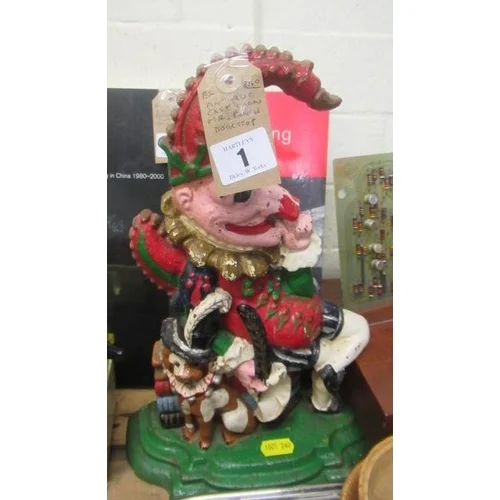
Further south, sales like the Auction of Furniture, Paintings, China, Glass, Collectables and House Clearance Lots from Bulstrodes Auctions in Christchurch, Dorset, show how furniture anchors a broad clearance sale.

For die-cast collectors, specialist events like the Matchbox and Specialist Die-Cast sale from Oberon Auctions at Yeadon in West Yorkshire sit alongside the general sales — proof that the same salerooms serve very different collecting interests.

What else typically comes up?
Beyond the furniture itself, general sales throw up a rich mix. A few themes recur.
Clocks and ceramics
Mantel clocks are perennial: an Enfield Art Deco mahogany-veneered Westminster chime mantel clock is exactly the decorative timepiece that turns up regularly and still earns its place on a mantelpiece. China is everywhere too — three Coalport egg-shaped trinket boxes, an Aynsley nursery ware set, transfer-printed saucers and a group of British Royal commemorative porcelain. Commemoratives are affordable and easy to collect by theme.
Tools, industrial and advertising
Old tools have a strong following. Look out for vintage leatherworking and cobbler’s tools, cast-iron scale weights by W & T Avery and Crane, and a cast-iron self-heating iron — collectable as much for display as for use. Advertising is its own field: a cast-iron “Guinness is Good for You” sign is the kind of lot that draws breweriana collectors.
Militaria and curios
Military lots turn up often, from a Soviet Army Tank Forces colonel’s field raincoat to a British military Morse code signalling key in its transit case. These reward research — condition, unit markings and completeness all count.
Modern, household and toys
Everyday clearance lots include a Numatic Henry Xtra vacuum, a Morphy Richards bread maker and streetwear such as a C.P. Company hoodie. Toys and soft collectables — a Russ Berrie teddy bear or die-cast Matchbox models — bridge the gap into the specialist sales.
A checklist for first-time furniture buyers
- Register and get approved before the sale, not during it.
- Attend the viewing day, or request a condition report and extra photos.
- Set a hard maximum that already includes premium, VAT and transport.
- Measure the space and the access route at home.
- Arrange collection or a courier before you bid on anything large.
- Start small on a general sale to learn the rhythm before chasing a big lot.
Your next step on Auction Eagle
Browse the furniture auctions hub for the current calendar, follow the houses whose sales suit you, and set your budget before the first lot. If you’re getting your eye in, wander through the full directory of UK auction houses and see what’s coming up near you.
Frequently Asked Questions
How much are buyer's premiums at UK furniture auctions?
Buyer's premium is a percentage added to the hammer price on every lot, with VAT usually charged on the premium. Rates vary by auction house and have risen over time, so check the terms published with each sale, plus any online-platform fee.
How do I bid at a furniture auction in the UK?
Register for a bidder account or paddle before the sale. You can then bid in the room, live online, by leaving an absentee (commission) bid up to a set maximum, or by telephone for higher-value lots. Most houses now offer online bidding alongside the live saleroom.
What sells at furniture auctions in the UK?
Everything from Georgian and Victorian antiques to mid-century teak, painted country pieces and modern flat-pack. General home-furnishings sales also include ceramics, clocks, tools, militaria and household goods, while specialist sales focus on better-quality named or period furniture.
Where can I find furniture auctions near me?
Use the Auction Eagle furniture auctions hub for the live UK-wide calendar, or filter by region such as West Yorkshire, Devon, Lancashire, Kent or Scotland. Active houses include Wellers Auctions, Keys Fine Art, Bulstrodes and The Great Western Auctions.
What should I check before bidding on secondhand furniture?
Check structural condition, woodworm, loose joints and replaced parts; confirm originality such as re-veneering, later marriages and re-polishing; measure the piece against your space; and calculate the full cost including premium, VAT and transport before you commit.
What is the difference between a specialist and a general furniture sale?
A specialist sale is selected for quality, with named makers, better timbers and provenance reflected in the estimates. A general home-furnishings and collectables sale is broader and cheaper to enter, mixing furniture with clearance lots, and is usually where the bargains are.


