
To bid at an online auction in the UK, register with the auction house or its bidding platform (commonly BidSpirit, EasyLive Auction or the-saleroom), verify your ID and card details, then place a bid at or above the current increment during the sale. Win a lot and you pay the hammer price plus the buyer’s premium, then arrange collection or delivery. That’s the whole loop — everything below is the detail that stops you overpaying or missing a lot.
Online bidding has quietly become the default for regional UK salerooms. A country auctioneer running a Friday morning general sale might have twenty people in the room and several hundred watching from a laptop. The mechanics match the traditional rostrum exactly; the friction has simply moved to a registration screen. Here’s how to work it confidently, using two very different Herefordshire sales as worked examples.
Where do I register, and which platform will I need?
You register in one of two places: directly with the auction house, or on the third-party platform that hosts its live catalogue. Most houses use one of three big names, and over time you’ll likely hold logins for all three.
- the-saleroom.com — the largest UK aggregator, strong on antiques, art and collectables.
- EasyLive Auction — very common for general, rural and machinery sales; usually a small flat bidding fee or a percentage option.
- BidSpirit — widely used by fine-art and specialist houses.
Take a sale like the Special September Auction of Vintage & Modern Effects, Tools and Bric-a-Brac run by Nigel Ward & Company at The New Salerooms in Herefordshire. It runs online and in person, with the catalogue carried on the-saleroom, so you’d create (or reuse) a the-saleroom account, then request approval to bid in that specific sale.

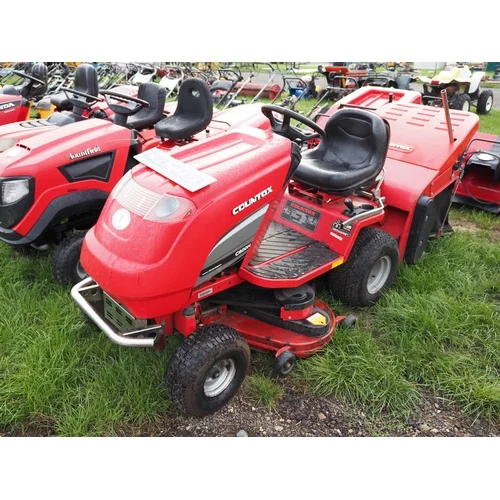
Now compare a farm-and-plant sale like the Monthly Collective Sale of Tractors, Plant, Implements, Livestock Equipment, Oak Beams and Firewood from H J Pugh & Co at Hazle Meadows Auction Centre, Ledbury. That one, also online and in person, runs its live bidding through EasyLive Auction — a different account and a different fee model. The rule: register on the platform the specific sale uses, not just any platform.
What ID and card checks should I expect?
First-time bidders are almost always asked to confirm their identity and hold a valid payment card on file. This protects the house against non-payment and, increasingly, satisfies anti-money-laundering rules on higher-value lots.
Expect some combination of: name and billing address, an email and phone number, and a debit or credit card that may be pre-authorised for a small amount (refunded automatically). For a first bid with an unfamiliar house you might be asked for photo ID or a proof of address, especially where jewellery, gold or high-value machinery is involved. Approval is rarely instant — houses vet new bidders by hand, so register the day before rather than five minutes before the first lot.
Live bidding or timed bidding — what’s the difference?
Two formats dominate, and knowing which you’re in changes your tactics.
Live (in-room, streamed) bidding
A real auctioneer works through the lots in order, and you bid in real time against the room, phone bidders and other online users. Both example sales run online and in person, so you’re clicking a bid button while the hammer is genuinely live. Lots move quickly; a busy general sale can clear well over a hundred lots an hour, so don’t wander off when yours is coming up.
Timed (online-only) bidding
No live auctioneer. Lots close at staggered times over hours or days, more like eBay, and many platforms extend the closing time by a minute or two if a bid lands in the final seconds. Timed sales reward patience over reflexes.
How do bid increments and absentee bids work?
You can’t type any figure you like. Auctions move in set increments — often roughly ten per cent of the current level, so bids might step £2, £5, £10, £20, £50, £100 as the price rises. The platform always shows the next valid bid.
If you can’t attend the live stream, leave an absentee (commission) or maximum bid: you enter the most you’re willing to pay and the system bids for you up to that ceiling, no further. It’s the single best defence against auction fever. Decide your limit while you’re calm, add the fees in your head first, and let the software hold the line.
How much will I actually pay — hammer price plus what?
The hammer price is only the start. On top you’ll pay a buyer’s premium, usually quoted as a percentage plus VAT on that premium, and sometimes a small platform fee. Premiums vary by house and even by day. H J Pugh’s stated terms show how specific this gets: a buyer’s premium of 10% + VAT on the Friday, dropping to 5% + VAT on the Saturday, with many lots also carrying VAT on the item itself. Read the terms for the exact sale — never assume.
If premiums are new to you, our explainer on what a buyer’s premium is breaks down the sums. As a rule of thumb, budget for the hammer price plus 20–30% once premium, VAT and any platform or card charges are added.
I’ve won — what happens with payment and collection?
The house will invoice you, usually the same day or next working day, totalling hammer plus premium plus any VAT and fees. Pay promptly by the method stated — card, bank transfer or in person.
Collection terms differ sharply by lot type. Small collectables and tools from a sale like Nigel Ward’s may be posted or couriered, though many rural houses expect collection. Big, heavy lots — tractors, plant, oak beams, livestock equipment — are collection-only, and H J Pugh, for instance, allows collection on the day of sale and then Monday to Friday the following week. Everything at that centre sells as seen, electrical items are sold as scrap, and there’s no warranty. That’s standard for machinery: view carefully or ask the office (their catalogue lists a phone number and email for lot enquiries) before you bid, because there are no returns.
Where can I find these sales on Auction Eagle?
Start at the Auction Eagle home page and browse by what you collect. The category hubs always show the live calendar, so you’re never relying on a fixed date:
- Collectables auctions and furniture auctions for general and vintage-effects sales.
- Jewellery, ceramics & porcelain and art & paintings for specialist sales with tighter ID checks.
- Toys & models for the many timed online sales in that field.
To follow a particular auctioneer, use the UK auction house directory. For a sense of where the trade is heading — hammer trends, online share, fee movements — the UK auction market report is worth a read, and if collectables are your thing, the UK collectables buyer’s guide and its Lancashire counterpart go deeper on what to look for.
First-time online bidder checklist
- Register early — a day ahead, so manual approval clears in time.
- Read the sale’s terms — premium, VAT, platform fee and collection window.
- View or ask — check condition reports; remember lots often sell as seen.
- Set your limit with fees included, and use a maximum bid if you can’t watch live.
- Learn the increments so the next jump doesn’t catch you out.
- Plan collection or delivery before you bid, especially on heavy or bulky lots.
The next step is simple: browse the relevant category hub for a sale that suits you, follow the houses you like in the directory, and register with the platform that sale uses. Do it once and your second online auction feels routine.
Frequently Asked Questions
How do I bid at an online auction in the UK?
Register with the auction house or its platform (BidSpirit, EasyLive Auction or the-saleroom), pass ID and card checks, then place a bid at or above the current increment. If you win, you pay the hammer price plus buyer's premium and arrange collection or delivery.
What fees do I pay on top of the hammer price?
You pay a buyer's premium, usually a percentage plus VAT on that premium, and sometimes a small platform or card fee. Rates vary by house and even by day, so budget roughly 20–30% above the hammer price and always read the specific sale's terms.
What is the difference between live and timed online bidding?
Live bidding runs alongside a real auctioneer in real time, so lots sell fast and in order. Timed bidding is online-only, with lots closing at set times and last-second bids often extending the deadline. Timed sales reward patience; live sales reward attention.
Do I need ID to bid online?
Usually yes. New bidders typically provide name, address, contact details and a valid payment card, which may be pre-authorised. Higher-value lots or specialist sales may require photo ID or proof of address to meet anti-money-laundering rules.
What is an absentee or maximum bid?
It is the most you are willing to pay, entered in advance. The platform bids on your behalf up to that ceiling and no further, which stops you overpaying if you cannot watch the sale live. Set the limit with fees included.
Where can I find UK online auctions to bid on?
Browse Auction Eagle's category hubs for collectables, furniture, jewellery, ceramics, art or toys, which show the live calendar, and use the auction house directory to follow specific auctioneers and their upcoming online sales.


