
Jewellery auctions in the UK take two forms: dedicated specialist sales of gold, silver, gemstones and watches, and broader antiques sales where jewellery sits alongside everything else. In both, you register with the house (free in most cases), view the lot or request a condition report, then bid in the room, online, by telephone or by leaving an absentee bid — and on top of the hammer price you pay a buyer’s premium, commonly around 20–28% plus VAT.
That’s the shape of it. The detail — what’s worth chasing, how the fees stack up, and what to check before you commit — is where a first purchase either delights or disappoints. Here’s how the trade works, and where to find live sales on Auction Eagle, the UK auction-discovery site.
What sells at jewellery auctions in the UK?
Four broad categories cover most of it. Precious jewellery — gold and platinum rings, diamond solitaires, gem-set pieces, pearls and antique chains, usually described by metal, carat and stone weight. Silver — both wearable pieces and the flatware and hollowware that traditionally share catalogue space with jewellery. Watches — from Victorian pocket watches to vintage wristwatches and modern brands. And costume or dress jewellery — designer and fashion pieces bought for the look rather than the melt value.
The pleasure of the saleroom is that all four turn up in one afternoon. A single lot might be a signed period brooch; the next, a tray of odd earrings sold as a job-lot. Knowing which category you’re buying in tells you what to check and roughly what to expect.
What’s the difference between a specialist sale and a general antiques sale?
A specialist jewellery sale is exactly what it sounds like: a catalogue devoted to jewellery, watches and silver, lotted and described by people who handle it every day. Stones are often weighed and metals tested, condition reports are detailed, and estimates tend to reflect genuine market value. If you’re after a good diamond ring or a collectable watch, this is where to look.
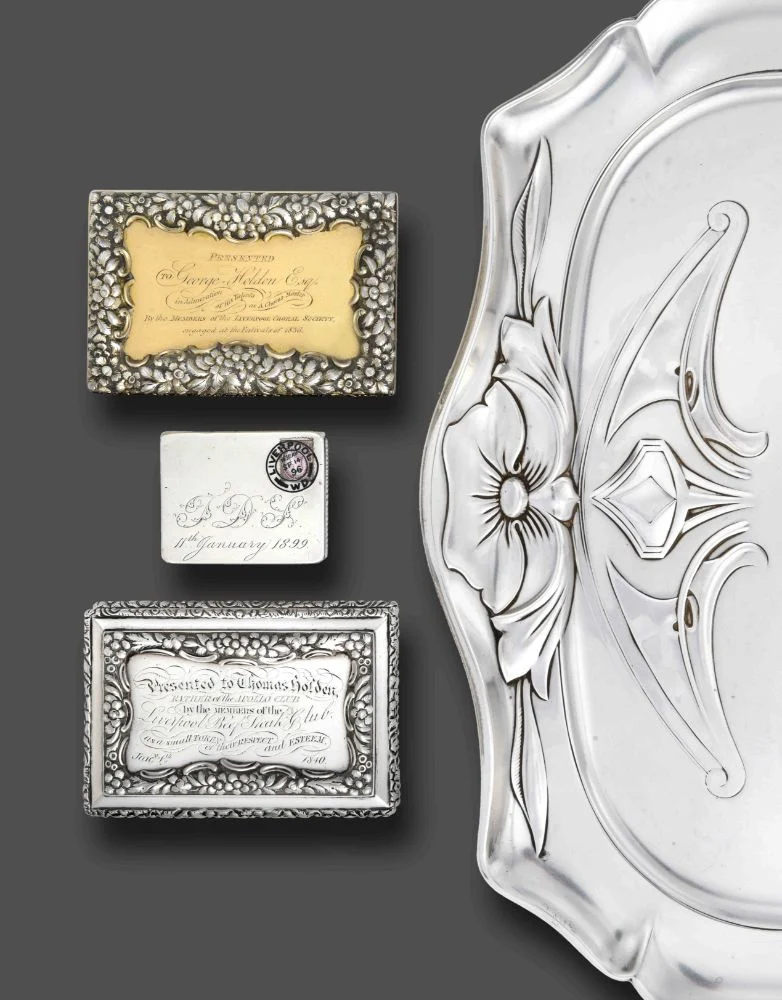
Sales like the Jewellery, Watches & Silver sale at Tennants Auctioneers show the specialist format at its best — a focused catalogue where every lot is jewellery, a watch or silver, offered online and in person. See more from the house on the Tennants Auctioneers page, and browse other rooms across North Yorkshire.
General and mixed sales are different. Jewellery sits in a longer catalogue next to paintings, silver plate, books and brass, and pieces are more likely to be sold in mixed lots. The upside is value: less competition from trade specialists, and the occasional overlooked piece. The trade-off is thinner cataloguing, so the burden of due diligence falls on you.
A broad catalogue such as the mixed books, silver and jewellery sale at Nigel Ward & Company is typical — silver, silver plate and jewellery alongside oils, watercolours, prints, brass, copper and pewter. It’s a good hunting ground for value buyers; see the Nigel Ward & Company page or other salerooms in Herefordshire.
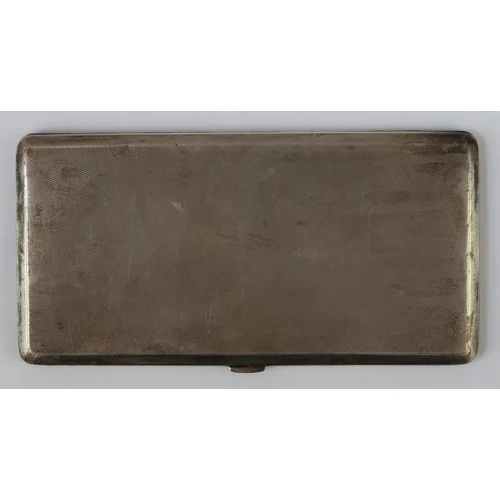
The same mixed model runs at regional rooms nationwide. A sale like the Antiques, Jewellery, Art, Collectables & Militaria sale at Littleton Auctions in Evesham, Worcestershire, bundles jewellery with art, collectables and militaria in one online-and-in-person catalogue — the kind of sale where costume pieces and watches turn up in quantity. More is listed on the Littleton Auctions page and across Worcestershire.
How much does it cost to buy jewellery at auction?
You pay two things beyond your winning bid. The buyer’s premium is a percentage of the hammer price added by the house, with VAT usually charged on the premium. Littleton Auctions, for instance, states a buyer’s premium of 22% plus VAT on the hammer price — a useful benchmark, though every house sets its own figure, so read the terms before you bid. Some rooms also add an online surcharge for bidding through third-party platforms; others waive it if you bid on their own site. Littleton, for example, charges no internet fee when you register through its own website, or a flat fee through easyliveAuction.
Budget for the total, not the hammer. A £200 hammer at 22% plus VAT lands closer to £250 once fees apply. If the term is new to you, our explainer on what a buyer’s premium is walks through the maths. For a wider view of how the market is moving, the UK auction market report is worth a read.
How do I bid at a jewellery auction?
The process is the same whether you’re in the room or at your laptop:
- Register with the house or the bidding platform, usually with ID and a card on file.
- View the lot in person on preview days, or request a condition report and extra photographs.
- Set your ceiling — decide the most you’ll pay including premium and VAT, and stick to it.
- Bid live online, on the phone, in the room, or leave an absentee bid the house executes on your behalf up to your limit.
Online bidding is now standard; most jewellery sales run online and in person. If you’ve never done it, our guide to bidding at an online auction in the UK covers registration, live bidding and payment step by step.
What should I check before bidding on jewellery?
Photographs flatter. Before you commit, confirm the facts:
- Hallmarks and metal — is the gold or silver marked, and does the description state carat and metal, or hedge with “tests as” or “unmarked”?
- Stones — are gems named and weighed, or described as “white stones”? Vague wording usually means unverified.
- Condition — clasps, worn shanks, chipped stones, re-tipped claws and later repairs all matter and rarely show in a listing photo.
- Watches — movement type, whether it runs, and originality of dial and case.
- The terms — premium, VAT, payment deadline and collection or postage arrangements.
In a specialist sale much of this is spelled out. In a mixed sale, ask — a quick email to the saleroom before the hammer falls saves regret afterwards.
Where can I find jewellery auctions near me?
The jewellery auctions hub on Auction Eagle keeps a live calendar of upcoming sales, so it’s the place to start — it always shows what’s on now rather than a fixed list. To compare rooms, the full directory to browse every UK auction house is the quickest route.
Houses running jewellery regularly on Auction Eagle include Bonhams in London — worth watching if you want the capital’s jewellery scene, tracked on the London jewellery auctions hub. In Scotland, The Great Western Auctions Ltd in Glasgow feeds the Scotland jewellery auctions hub; in Yorkshire, Elite Auctions in Wakefield sits on the West Yorkshire jewellery auctions hub; and in Northern Ireland, Buy Sell Trade Auction House in Armagh appears on the Northern Ireland jewellery auctions hub. There’s steady activity further south too — see the Lancashire jewellery auctions hub.
Other active rooms include Amersham Auction Rooms in Buckinghamshire, Auctions @ Number 1 in Gosport, Carn Brea Auctions in Camborne, Cornwall, and Hansons Auctioneers & Valuers.
What typically comes up in these sales?
Looking across these catalogues, a few themes recur.
Vintage and everyday watches
Wristwatches are a reliable staple — a vintage Sekonda automatic, and vintage ladies’ watches turning up singly and in small lots. These are the entry point for many collectors: affordable, wearable, and a gentle way to learn how condition and originality affect price before you chase anything grander.
Costume and dress jewellery in quantity
Mixed sales throw up boxed and job-lot fashion pieces — cartons of Fervor Montreal necklace and earring sets, and quantities of boxed Fervor Montreal charm bracelet watches. Bought sensibly, retail-packed costume lots are a low-risk way to fill a stall or resell online, though you’re buying on look and volume rather than precious-metal value.
Silver and decorative crossover
Because jewellery so often shares a catalogue with silver and decorative arts, expect adjacent lots like an Art Nouveau style cast-metal and iridescent-glass table lamp. These period decorative pieces appeal to buyers who like the aesthetic of the era their jewellery comes from, and they’re easy to overlook in a busy mixed sale. For the wider picture on mixed-sale buying, our UK collectables auctions buyer’s guide is a useful companion.
A first-time buyer’s checklist
- Register early — don’t leave it to the morning of the sale.
- Read the full terms: premium, VAT, online surcharge, payment deadline and collection.
- Set a hard ceiling that includes fees, and write it down.
- Request a condition report on anything you can’t view in person.
- Prefer described, hallmarked, weighed lots for your first precious purchase.
- Factor in postage or collection — some rooms won’t post rings and watches without insured shipping.
- Watch a sale or two before you bid, to learn the room’s rhythm.
Your next step
Start on the jewellery auctions hub to see what’s live, follow the houses whose stock suits you, and set your budget before the first lot. Buy the piece, not the photograph — and enjoy the hunt.
Frequently Asked Questions
What is the buyer's premium at a UK jewellery auction?
It's a percentage the auction house adds to your hammer price, with VAT usually charged on the premium. Rates vary but commonly fall around 20–28% plus VAT — Littleton Auctions, for example, states 22% plus VAT. Always check the terms before bidding.
How do I bid at an online jewellery auction in the UK?
Register with the auction house or bidding platform using ID and a card, view the lot or request a condition report, set your maximum, then bid live online, by phone, in the room, or leave an absentee bid up to your limit.
What sells at jewellery auctions?
Precious jewellery (gold, platinum, diamonds, pearls), silver, watches from vintage to modern, and costume or dress jewellery. Specialist sales weigh stones and test metals; mixed antiques sales list jewellery alongside art, silver and collectables.
Where can I find jewellery auctions near me in the UK?
Use Auction Eagle's jewellery auctions hub for a live calendar, then filter by region. Active rooms include Bonhams in London, The Great Western Auctions in Glasgow, Elite Auctions in Wakefield and Buy Sell Trade in Armagh.
What's the difference between a specialist and a general jewellery sale?
Specialist sales are devoted to jewellery, watches and silver, with detailed cataloguing, weighed stones and tested metals. General antiques sales list jewellery among other lots with lighter descriptions — often better value, but you must do more due diligence yourself.
What should I check before bidding on jewellery?
Confirm hallmarks and metal, whether stones are named and weighed, and overall condition — clasps, worn claws and repairs. For watches, check the movement, whether it runs, and case originality. Request a condition report if you can't view in person.


