
A boxed Corgi with crisp end flaps and its original packing can be worth several times the same casting played with and boxless — which is exactly why toys and models reward careful buying at auction. They come up two ways in the UK: dedicated specialist sales built around diecast, model railways and farm models, and general salerooms where a handful of toy lots sit among the furniture and ceramics. Specialist houses catalogue whole calendars of Dinky, Corgi and Matchbox, while regional auctioneers scatter toy lots through their weekly online and in-room sales across Britain.
To see what is currently listed, the Toys & Models auctions hub on Auction Eagle keeps the calendar up to date. This guide is written for buyers: what actually turns up, how a specialist model sale differs from a general one, the checks that separate a good buy from a costly mistake, and the counties where these sales cluster. For exact dates and catalogues, always follow through to the live listings.
What sells at toys & models auctions in the UK?
The backbone of the category is diecast vehicles — Corgi, Dinky, Matchbox and Matchbox Models of Yesteryear — followed by model railways in the popular gauges, plastic and metal kits, and niche areas like specialist farm models. Around those sit reference books, spare boxes, and the tinplate and figure lots that older collections throw up.
Condition and originality drive value more than anything. A boxed model with its original card, inserts and paperwork sits in a different league from a boxless, played-with example. That is why catalogue descriptions dwell on the box, the livery, and whether a piece is a limited or special edition.
Specialist sales vs general sales — what’s the difference?
A specialist toys and models sale is catalogued by someone who knows the field. Lots are described by maker, model number and variant, condition is graded carefully, and detailed condition reports are usually offered on request. Buyers are largely other collectors and dealers, so keen material finds its level.
A general sale is different. Toy lots are often bundled — think a Matchbox and Hot Wheels toy vehicle collection with racing track or a job lot of vintage figures — and described in less detail, because the same catalogue is covering everything from handbags to a Royal Doulton Character Jug D6551 Old Salt. That can mean bargains for a sharp eye, but you carry more of the condition risk, so read the report and study the photographs.
What should I check before I bid?
Model collecting rewards the patient and the careful. Before you commit, work through a short list:
- The box. Original boxes, end flaps and inner packing matter enormously — often as much as the model itself.
- Originality. Look for repaints, replacement wheels or tyres, retouching and reproduction transfers, and ask whether anything has been restored.
- The condition report. Request one in writing. If you are new to these, our explainer on what a condition report at auction actually tells you is a useful starting point.
- The estimate. Estimates are a guide, not a valuation; see our note on how auction estimates work before you set your limit.
- The all-in cost. Add buyer’s premium, VAT on that premium, any online platform fee and postage before you decide what to bid.
How much are the fees at a UK toy auction?
The hammer price is only the start. On top you pay a buyer’s premium, and rates vary between houses — commonly in the region of 20% to 30%, with VAT charged on the premium. Bid through a live online platform and you can expect an extra fee of a few per cent for the convenience. Postage varies too; many specialist houses run an in-house, worldwide packing service, which is worth using for fragile boxed models. None of these figures are fixed, so check each auctioneer’s terms before bidding. For a wider view of the market and how fees sit, Auction Eagle’s UK auction market report is a good reference.
How do I bid at a toys & models auction?
Register first — set up an account with the house or the online platform hosting the sale, usually with card details, ahead of the deadline. From there you generally have four routes:
- In the room, where the format allows it and viewing days are open.
- Live online, bidding in real time as the auctioneer works through the lots.
- Absentee (commission) bids, where you leave your maximum and the house bids on your behalf up to it.
- By telephone, if the house offers it, usually for higher-value lots.
Timed online auctions work differently again: there is no live auctioneer, and lots close in sequence at a set time, often with anti-sniping extensions. Read each listing so you know which format you are dealing with.
Where can I find toys & models auctions near me?
Start at the Toys & Models auctions hub, which lists sales as they are added, and use the directory of every UK auction house to find salerooms near you. Several houses regularly list toys and models on Auction Eagle:
- Wellers Auctions Ltd in Guildford — see more Toys & Models auctions in Surrey.
- Carn Brea Auctions in Camborne, Cornwall.
- Vectis Auctions Ltd in Stockton-on-Tees, a long-established specialist name.
- Buy Sell Trade Auction House Armagh — browse more Toys & Models auctions in Northern Ireland.
- Keighley Auction House — see also Toys & Models auctions in West Yorkshire.
- Bank Hall Auctions in Burnley — more across Toys & Models auctions in Lancashire.
- Fosse Lane Auction in Shepton Mallet, Somerset.
- Rosan Reeves Auctions in Hailsham.
Collectors in the north of England may also want to keep an eye on Toys & Models auctions in South Yorkshire.
What typically comes up?
The lots below are drawn from real catalogues and give a fair picture of the field.
Diecast model vehicles
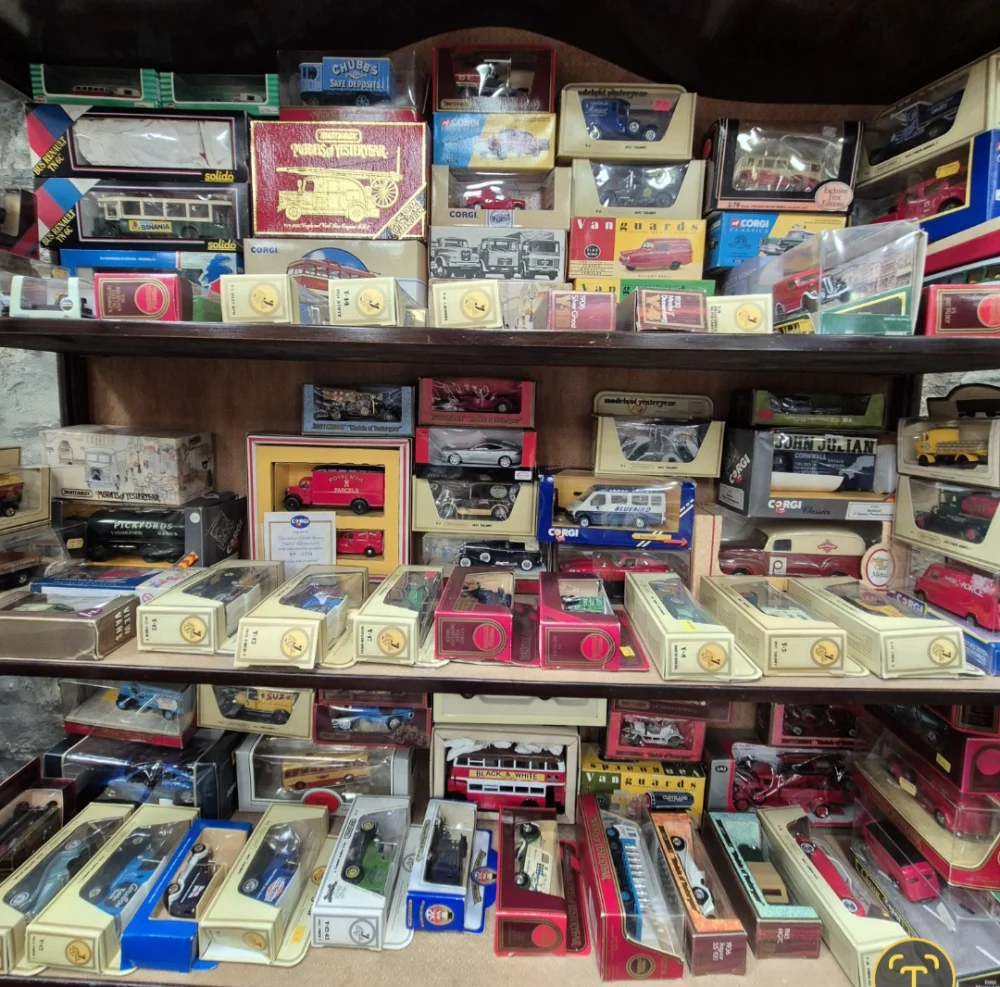
This is the busy heart of the category. Sales like a huge collection of vintage diecast toys including Dinky, Matchbox and Corgi, run online only by HCP Auctions in Devon, show the range: liveried commercial vehicles such as the Corgi Bedford O Series Pantechnicon Weetabix advertising truck and the Corgi Ford Escort Van in Royal Mail livery, alongside Matchbox Models of Yesteryear staples like the Y-7 1912 Rolls-Royce and the Y-12 Ford Model T Harrods Express delivery van. Advertising and promotional liveries — Eddie Stobart, Pickfords, Harrods — carry a following of their own, and an original box lifts every one.
Model railways and vintage toys
Railways are a category in their own right, spanning locomotives, rolling stock, track and layouts. Mixed sales like Model Railways, Vintage Toys and Diecast Models from Excalibur Auctions Ltd in Hertfordshire, offered online and in person, bring railways together with tinplate and diecast under one catalogue — handy if you collect across more than one strand.
Farm models, kits and scratch-built pieces
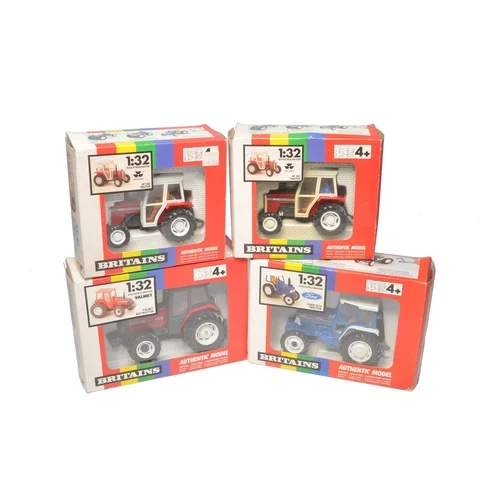
A quieter but keen corner. Sales like the auction of specialist farm models plus general diecast, model railway and kits, held online only by M&M Auctions LTD in Lincolnshire, are where scratch-built tractors, implements and one-off conversions surface — pieces that rarely appear in a general saleroom and reward specialist knowledge.
Reference books and related collectables
Don’t overlook the paper. Lots such as a collection of diecast toy reference books including Dinky, Corgi and Matchbox titles help you identify variants and spot reproductions. General sales round things out with crossover collectables — a Royal Doulton Character Jug, a vintage Ingersoll pocket watch or an Acme Thunderer nickel-plated brass whistle — that often share a catalogue with the toys.
A first-time buyer’s checklist
- Register and get approved on the platform well before the sale closes.
- Read the condition report and zoom in on every photograph.
- Set a firm limit that already includes premium, VAT and postage.
- Prioritise originality and the box over a shiny repaint.
- Attend the viewing day if the format allows it.
- Use commission bids so you don’t overpay in the heat of the room.
Your next step on Auction Eagle
Browse the Toys & Models auctions hub to see what is coming up, follow the houses whose stock suits you, and start from the Auction Eagle home page to explore other categories. If the collectors’ side has drawn you in, our guide to art and paintings auctions in the UK covers many of the same buying habits from another angle.
Frequently Asked Questions
How much are the fees at a UK toys and models auction?
On top of the hammer price you pay a buyer's premium, commonly around 20–30% with VAT charged on the premium, plus a small platform fee if you bid live online. Rates vary by house, so always check the terms before bidding.
How do I bid on toys and models at a UK auction?
Register with the auction house or online platform in advance, then bid in the room, live online, by leaving an absentee (commission) bid at your maximum, or by telephone for higher-value lots. Timed online sales close lot by lot with no live auctioneer.
What sells at toys and models auctions in the UK?
Mostly diecast vehicles by Corgi, Dinky and Matchbox, model railways in the popular gauges, plastic and metal kits, farm models, tinplate, figures and reference books. Original boxes, paperwork and unrestored condition drive value.
What is the difference between a specialist and a general toy sale?
A specialist sale catalogues lots by maker, model number and variant with detailed condition reports, drawing mainly collectors and dealers. A general sale bundles toy lots among other household items with lighter descriptions, so you carry more condition risk.
Where can I find toys and models auctions near me in the UK?
Use Auction Eagle's Toys & Models auctions hub for the calendar, then filter by region such as Lancashire, West Yorkshire, Surrey, South Yorkshire or Northern Ireland. Active houses include Vectis, Wellers, Carn Brea and Bank Hall Auctions.
Should I only buy boxed diecast models?
Not necessarily, but the original box, inserts and paperwork often add as much value as the model itself. Boxless examples can still be good buys for display or restoration, provided the price reflects the missing packaging and any wear.


